World · India Bureau
Hit-and-run provisions of new criminal code remain unenforced after two years
Nearly two years after the Bharatiya Nyaya Sanhita came into effect, crucial provisions addressing hit-and-run offences have yet to be operationalized, forcing law enforcement to rely on alternative charges and creating potential gaps in accountability.
LSN India ·
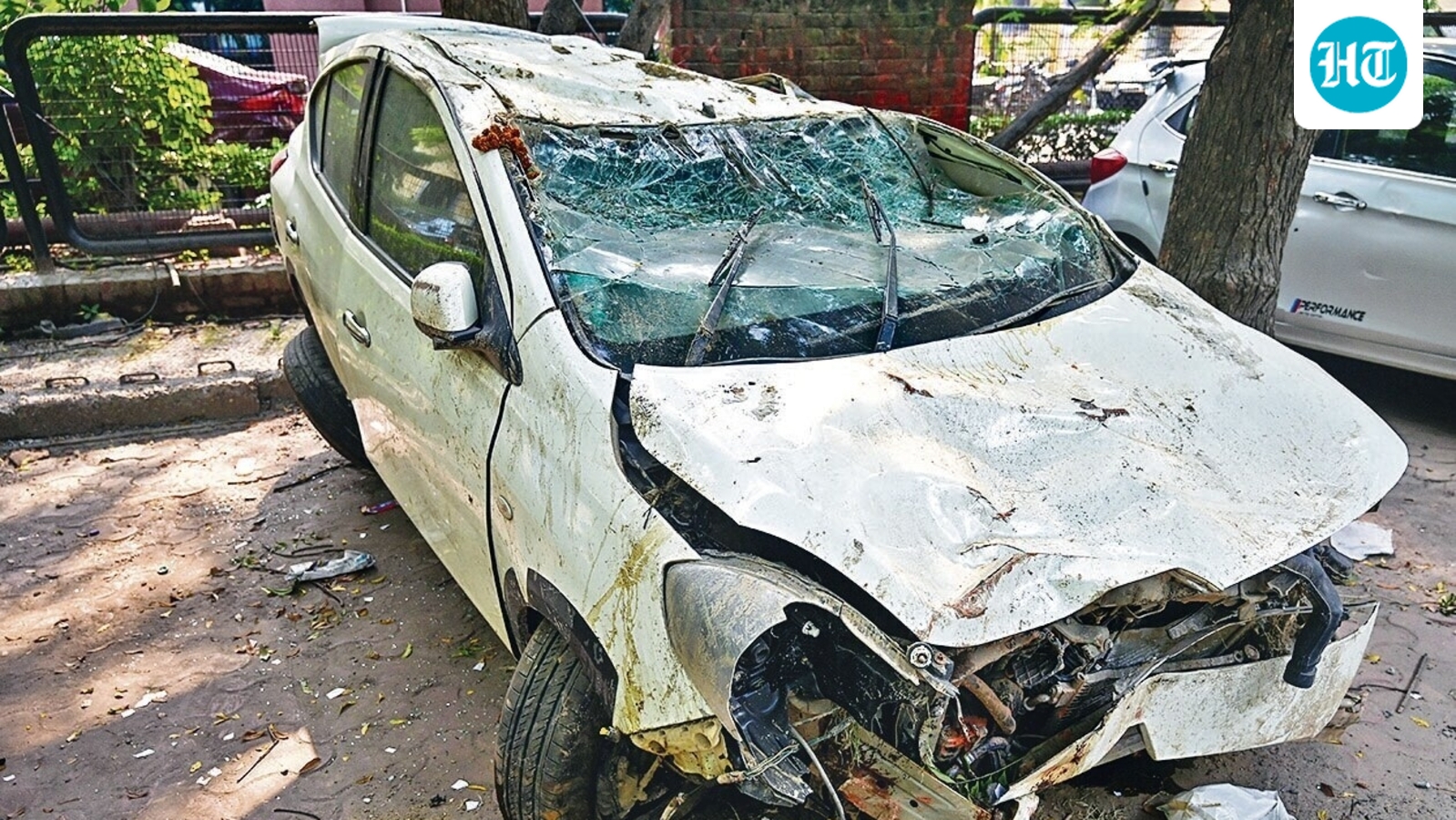
The delay in implementing the hit-and-run section of India's new criminal code has created a significant enforcement gap, with police departments resorting to different charges to prosecute vehicular incidents involving fleeing drivers. The Bharatiya Nyaya Sanhita, which replaced the Indian Penal Code, introduced specialized provisions to address hit-and-run cases, but the absence of operational frameworks has left these provisions dormant since the code's adoption.
This implementation gap has prompted law enforcement agencies to navigate cases using existing charges that may not adequately capture the specific nature of hit-and-run offences. According to legal practitioners, the reliance on alternative charging mechanisms risks creating inconsistencies in how such cases are prosecuted across jurisdictions, potentially leading to misapplication of charges and prolonged legal proceedings.
Legal experts have raised concerns that the delay undermines accountability mechanisms specifically designed to address the growing problem of drivers fleeing accident scenes. The specialized provisions in the Bharatiya Nyaya Sanhita were intended to streamline prosecutions and establish clearer culpability standards for such offences, yet their non-operationalization continues to compromise their effectiveness.
The situation highlights broader implementation challenges with India's new criminal justice framework. Officials have not yet clarified timelines for operationalizing the hit-and-run provisions, leaving legal stakeholders uncertain about when the code's intended protections will take full effect.