World · World News Bureau
HIV prevention breakthrough faces access barriers globally
A twice-yearly injection shows promise in transforming HIV prevention efforts, but deployment challenges threaten to limit its reach to vulnerable populations across developing regions.
LSN World News ·
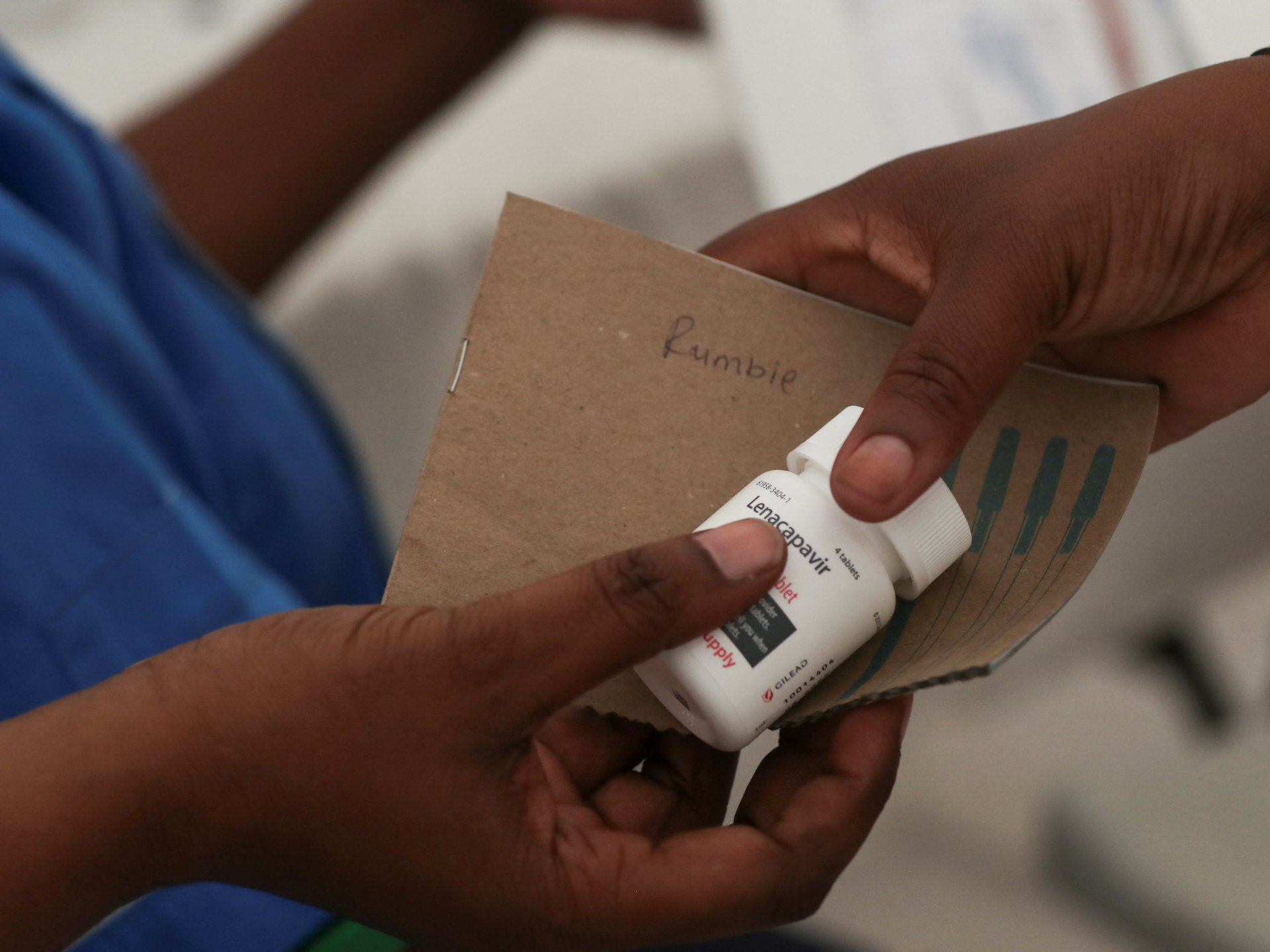
Lenacapavir, administered as an injection twice annually, represents a significant advancement in HIV prevention technology and has generated considerable optimism among public health officials and researchers. The drug's extended dosing interval and efficacy profile could substantially reduce infection rates among at-risk populations, marking a notable shift from existing prevention protocols.
However, availability constraints threaten to undermine the drug's potential impact. Manufacturing capacity, regulatory approval timelines, and pricing structures remain substantial obstacles to widespread distribution, particularly in South and Southeast Asia where HIV burden remains significant. Several nations in the region have expressed interest in the medication but face uncertainty regarding when supplies will become accessible.
Public health experts emphasize that even breakthrough treatments cannot fulfill their promise if distribution remains concentrated in wealthy nations. Access disparities could deepen existing inequalities, with high-income countries securing supplies while lower-income nations struggle to procure sufficient quantities for prevention programs targeting most-at-risk populations.
Government officials and international health organizations are engaging with manufacturers to establish equitable pricing models and accelerate regulatory pathways in developing nations. These negotiations will ultimately determine whether lenacapavir becomes a transformative public health tool or remains accessible primarily to affluent populations.