Business · Vietnam Bureau
Ho Chi Minh City charts course toward multi-polar economic structure
Ho Chi Minh City is redefining its economic strategy by transitioning from a traditional urban expansion model to a multi-polar system where distinct centres perform specialized functions within an integrated network. The shift comes as the city accelerates efforts to attract high-quality foreign investment and strengthen its position as a regional financial hub.
LSN Vietnam ·
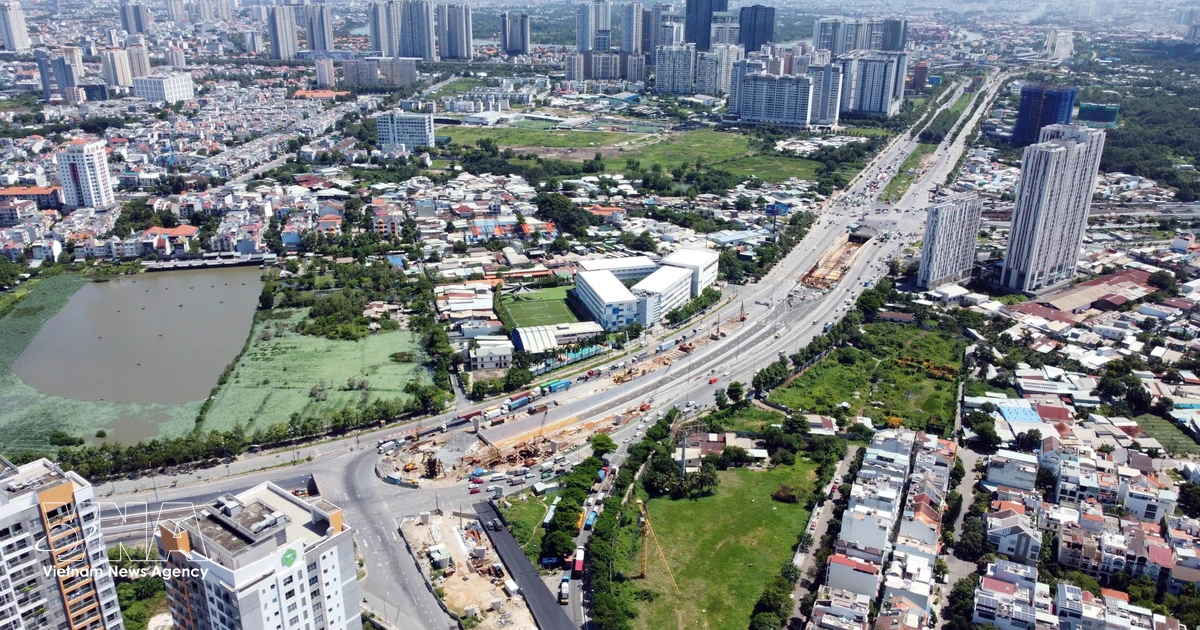
City planners are moving away from viewing Ho Chi Minh City as simply a geographically expanding metropolis, instead envisioning it as a multi-polar economic structure where different zones operate as specialized centres within a cohesive system. This interconnected framework is designed to link production hubs, services sectors, and logistics operations in a more efficient configuration that leverages the city's competitive advantages across multiple domains.
The strategic repositioning underscores Ho Chi Minh City's ambition to elevate its status as a financial and economic powerhouse in Southeast Asia. Recent gains include a significant 17-place jump in the Global Financial Centres Index, reflecting improved performance in banking, investment, and financial services infrastructure. These improvements demonstrate the city's growing appeal to international capital and institutional investors.
City authorities are simultaneously pursuing a selective approach to attracting foreign direct investment, prioritizing high-quality projects over volume-driven growth. This focus aligns with the broader economic restructuring strategy, ensuring that incoming investment complements the emerging multi-polar framework rather than fragmenting development efforts.
The multi-polar model represents a departure from traditional urban planning by emphasizing functional specialization and interconnectivity. Rather than concentrating all economic activity in a single urban core, the approach distributes advanced services, manufacturing capabilities, and logistics infrastructure across complementary centres, potentially enhancing overall efficiency and resilience while reducing congestion pressures on core urban areas.