Business · Vietnam Bureau
Ho Chi Minh City charts expansion of seaport network after administrative merger
Ho Chi Minh City's seaport infrastructure has significantly expanded following its administrative consolidation, now encompassing port clusters across three provinces. The city is positioning itself as a major regional maritime and logistics hub, though infrastructure challenges remain.
LSN Vietnam ·
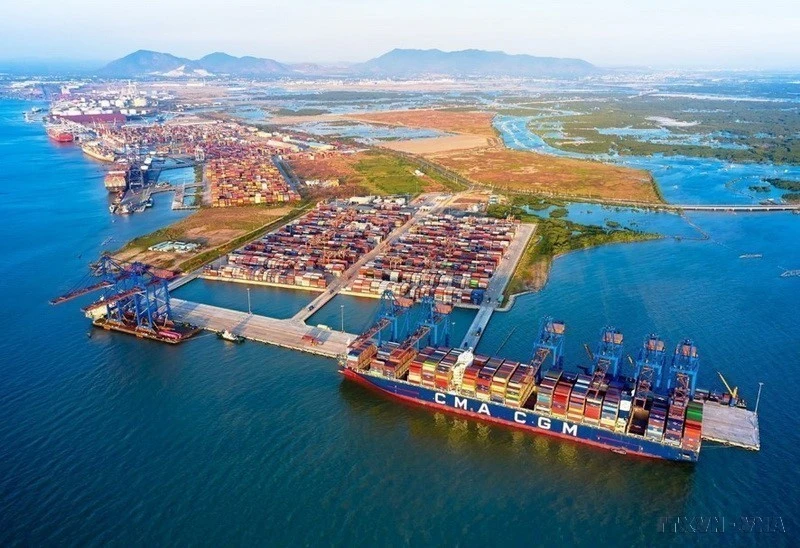
Ho Chi Minh City's seaport capacity has grown substantially following the city's administrative merger, which extended its jurisdiction to include port clusters formerly operating under Binh Duong and Ba Ria-Vung Tau provinces. The expanded network now positions the city as a dominant seaport and logistics center in Southeast Asia, leveraging access to deep-water port facilities across the broader region.
Despite the expanded infrastructure, city authorities have identified several critical bottlenecks that must be addressed to fully realize the network's potential. Transport connectivity between port facilities remains a pressing concern, with officials noting the need for improved inter-port coordination to streamline operations and reduce inefficiencies.
Additionally, the seaport network requires significant investment in green and digital transformation initiatives. These upgrades are essential for modernizing operations, reducing environmental impact, and enhancing competitiveness in an increasingly technology-driven maritime industry.
Logistics development across the expanded network also requires focused attention, according to municipal planners. Officials are working to optimize cargo handling, warehouse integration, and supply chain management to maximize the commercial advantages offered by the city's enlarged port infrastructure and strategic location.