Business · Vietnam Bureau
Ho Chi Minh City scales up waste-to-energy operations to ease disposal crisis
Ho Chi Minh City is pivoting toward waste-to-energy treatment as it grapples with over 14,000 tonnes of daily household waste. The shift aims to reduce reliance on landfilling at the city's largest treatment facility.
LSN Vietnam ·
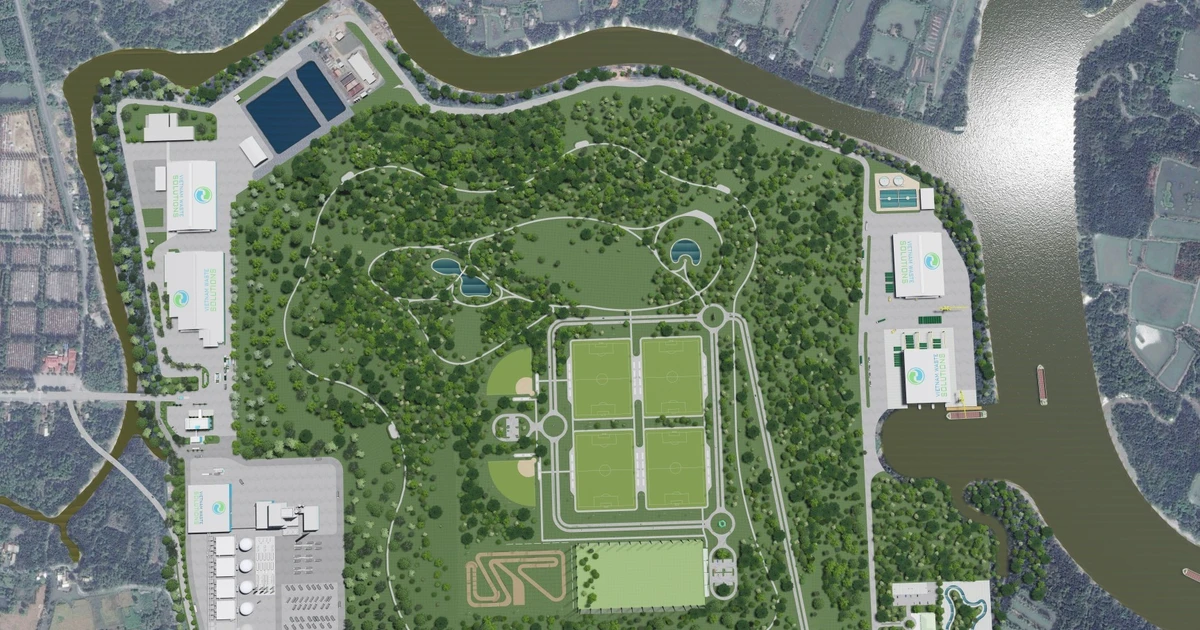
Ho Chi Minh City is accelerating its transition to waste-to-energy treatment as mounting volumes of household solid waste strain its collection and disposal infrastructure. The city generates more than 14,000 tonnes of waste daily, creating significant operational challenges for existing management systems.
The Da Phuoc Integrated Waste Management Facility, the city's largest treatment center, is spearheading the technological shift. Operators are implementing waste-to-energy solutions designed to process waste streams while reducing the volume destined for landfills, a move expected to ease pressure on long-term disposal capacity.
Experts have underscored the importance of robust economic incentives to support such environmental transitions. Policy analysts argue that financial mechanisms—including subsidies, tax breaks, and investment guarantees—are essential to make waste-to-energy projects economically viable while advancing green technology adoption across Southeast Asia's growing urban centers.
The initiative reflects broader efforts by Vietnamese authorities to address waste management challenges in major cities. With urbanization and consumption patterns driving waste generation upward, municipalities are increasingly exploring alternatives to traditional landfilling to meet environmental standards and sustainability goals.