World · Vietnam Bureau
Ho Chi Minh City sets ambitious air quality targets for 2030
Vietnam's largest city has unveiled plans to ensure clean or acceptable air quality on at least four out of five days annually by the end of the decade. The initiative includes commitments to systematically reduce harmful fine particulate matter concentrations.
LSN Vietnam ·
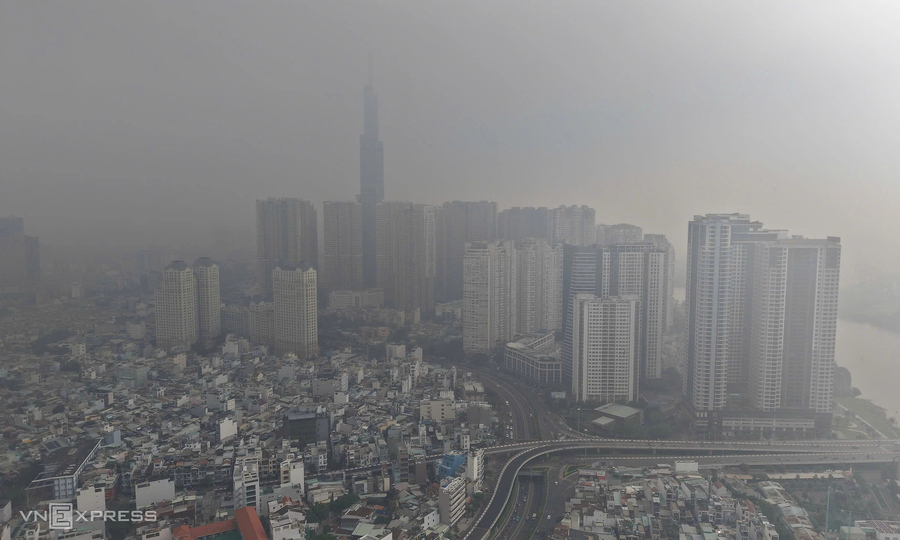
Ho Chi Minh City authorities have established a target of achieving "good" or "moderate" air quality on 80 percent of days each year by 2030, signaling intensified efforts to combat urban air pollution. The goal represents a significant commitment to improving environmental conditions across the metropolitan area and protecting public health.
The air quality improvement initiative encompasses a comprehensive reduction strategy focused on fine particulate matter, commonly measured as PM2.5 and PM10. These microscopic particles, which penetrate deep into the respiratory system, have been identified as a primary concern in the city's pollution profile. By systematically lowering concentrations of these pollutants, authorities aim to deliver tangible health benefits to residents.
The timeline through 2030 allows for phased implementation of pollution control measures across multiple sectors. Ho Chi Minh City, with its rapidly expanding population and vehicle fleet, faces persistent air quality challenges that require coordinated action involving transport, industry, and construction management. The 80-percent target reflects a realistic yet ambitious framework for meaningful environmental progress.
Achieving the stated objectives will require sustained monitoring, enforcement of existing regulations, and potential introduction of new pollution mitigation strategies. Success will depend on coordination between municipal agencies and compliance from both industrial and residential sectors contributing to urban air pollution.