Politics · Vietnam Bureau
Ho Chi Minh City unveils 2025-2050 master plan for a 27-million-person megacity
The first integrated plan since the city absorbed Binh Duong and Ba Ria-Vung Tau sets five growth hubs, a top-100 liveable city goal by 2030 and a 100-year vision.
LSN Vietnam ·
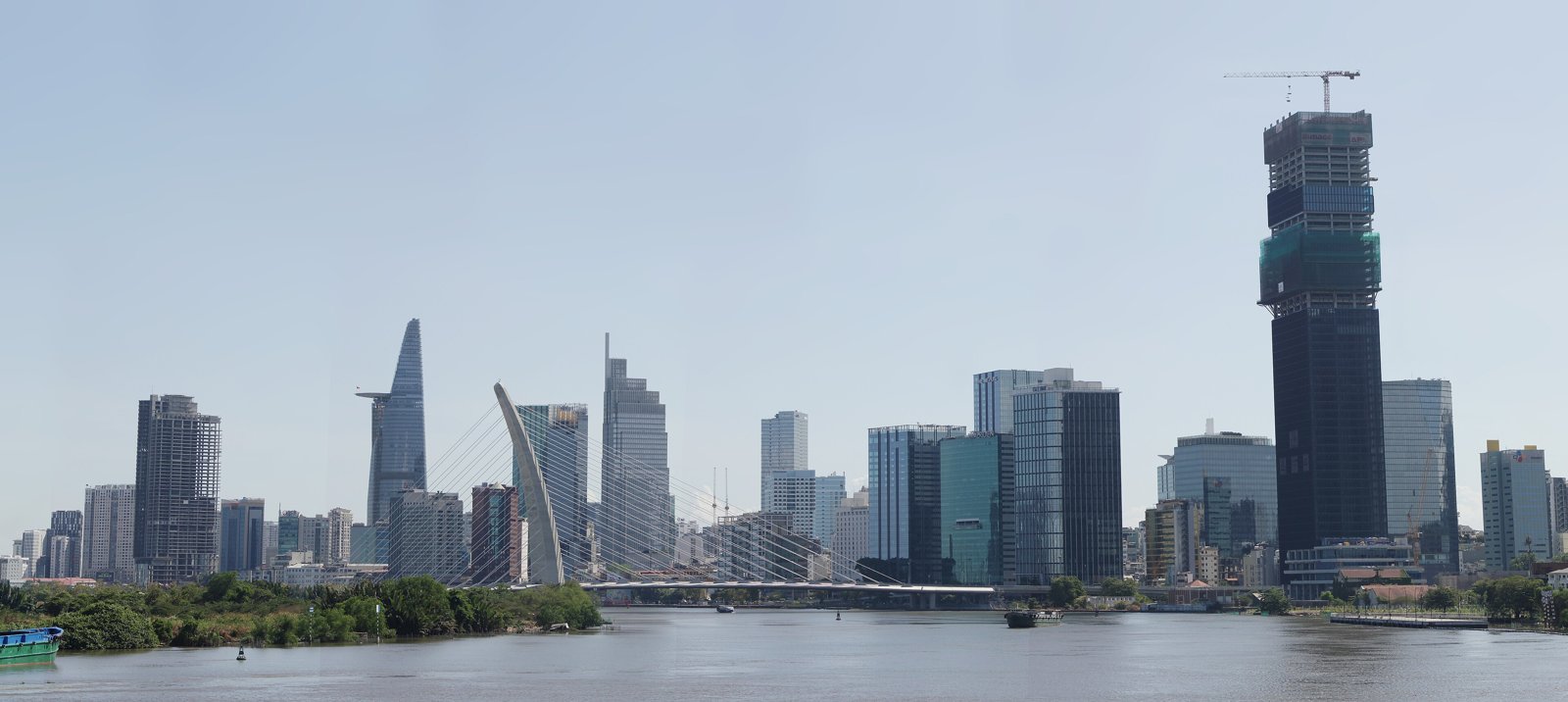
<p>Ho Chi Minh City on Monday, 23 November, formally announced its master plan for 2025-2050 with a 100-year vision, setting out how Vietnam's largest economic hub intends to grow into a multi-centred megacity of about 27 million people by mid-century.</p>
<p>The plan was presented at a conference organised by the municipal People's Committee at the city's planning exhibition centre in An Khanh Ward, attended by National Assembly Chairman Tran Thanh Man and around 1,000 delegates, with online links to all 168 communes, wards and special zones. The committee's approval decision (No. 7308/QD-UBND) was also announced, following endorsement by the city People's Council on 30 October.</p>
<p>It is the first integrated, multi-sector plan for the city since its administrative merger with Binh Duong and Ba Ria-Vung Tau provinces, and covers the full 6,772.59 square kilometres of the enlarged city, including the Con Dao special zone. It also considers links with neighbouring Tay Ninh, Dong Nai, Dong Thap and Lam Dong provinces.</p>
<p>Planners project the population at about 18 million by 2030, 25 million by 2045 and 27 million by 2050, counting permanent and long-term temporary residents.</p>
<p>The spatial design rests on five growth hubs: an international financial services core in the centre; innovation in the east; industry, high technology and logistics in the north; seaports, free trade, logistics and energy in the south; and urban development, education and healthcare in the west. Five satellite centres - Con Dao, Long Hai-Ho Tram, Hoc Mon-Cu Chi, Bau Bang and Tan Uyen-Bac Tan Uyen - are meant to spread jobs and residents and ease pressure on the urban core. These are tied together by five strategic connection networks and 10 development management zones.</p>
<p>On the economy, the plan targets average GRDP growth of at least 10 percent a year to 2030, with official reports citing 10.5 percent, and a GRDP of roughly $200-225 billion by then. The digital economy is meant to reach 40 percent of GRDP by 2030 and 60 percent by 2035, as the city shifts away from growth driven mainly by capital, land and labour towards productivity, technology and high-value services.</p>
<p>The stated milestones are to become a special-class city ranked among the world's 100 most liveable cities by 2030; an Asian economic, financial and innovation centre by 2045; and a global city on a par with leading world cities by 2075 and beyond.</p>
<p>City People's Committee Chairman Le Quoc Phong described the approved plan as a strategic legal document that will guide the city's decisions for decades. VnExpress noted that four earlier master plans, adopted in 1993, 1998, 2010 and 2025, fell short of their aims of easing population pressure on the centre and building up satellite towns.</p>