Culture & Entertainment · Vietnam Bureau
Ho Chi Minh City unveils nipa palm-inspired Saigon River crossing
A new pedestrian bridge spanning the Saigon River draws design inspiration from the Mekong Delta's iconic nipa palm groves and winding waterways. The structure establishes Ho Chi Minh City as a distinctive destination for architectural landmarks in Southeast Asia.
LSN Vietnam ·
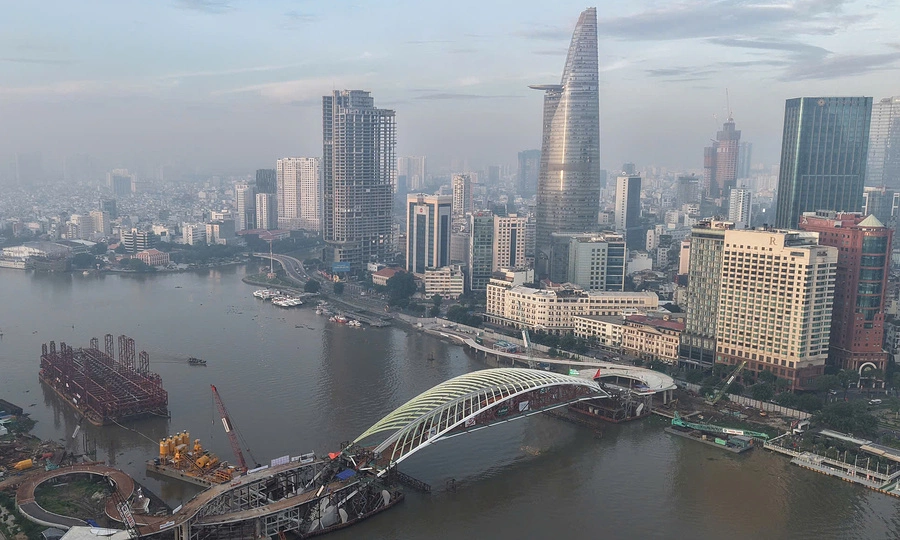
Ho Chi Minh City has added a striking new pedestrian bridge to its urban landscape, one that reflects the natural heritage of southern Vietnam's river systems and wetlands. The crossing, which spans the Saigon River, incorporates architectural elements inspired by the region's characteristic nipa palm vegetation and the meandering waterways that have shaped the Mekong Delta for centuries.
The bridge's design sets it apart from pedestrian crossings found in other major Southeast Asian cities. While Singapore and Bangkok have developed their own recognizable urban landmarks, Ho Chi Minh City's latest addition offers a uniquely Vietnamese character rooted in the southern region's geographical and ecological identity.
The project represents a growing trend among Vietnamese architects and urban planners to incorporate local environmental features and cultural elements into modern infrastructure. By drawing on familiar natural imagery from the surrounding landscape, the bridge serves both as a functional transportation link and a visual connection to Ho Chi Minh City's distinctive geography.
The completion of the pedestrian bridge enhances connectivity across the Saigon River while contributing to the city's evolving skyline and public spaces. The structure demonstrates how contemporary design can honor regional heritage while meeting the practical needs of a rapidly developing metropolis.