World · Malaysia Bureau
Homeowners face costly repairs as waterproofing defects emerge post-warranty
Many Malaysian homeowners are discovering that waterproofing failures occur after defect liability periods expire, forcing them to bear substantial repair costs. Experts warn that these issues can escalate into expensive structural problems if left unaddressed.
LSN Malaysia ·
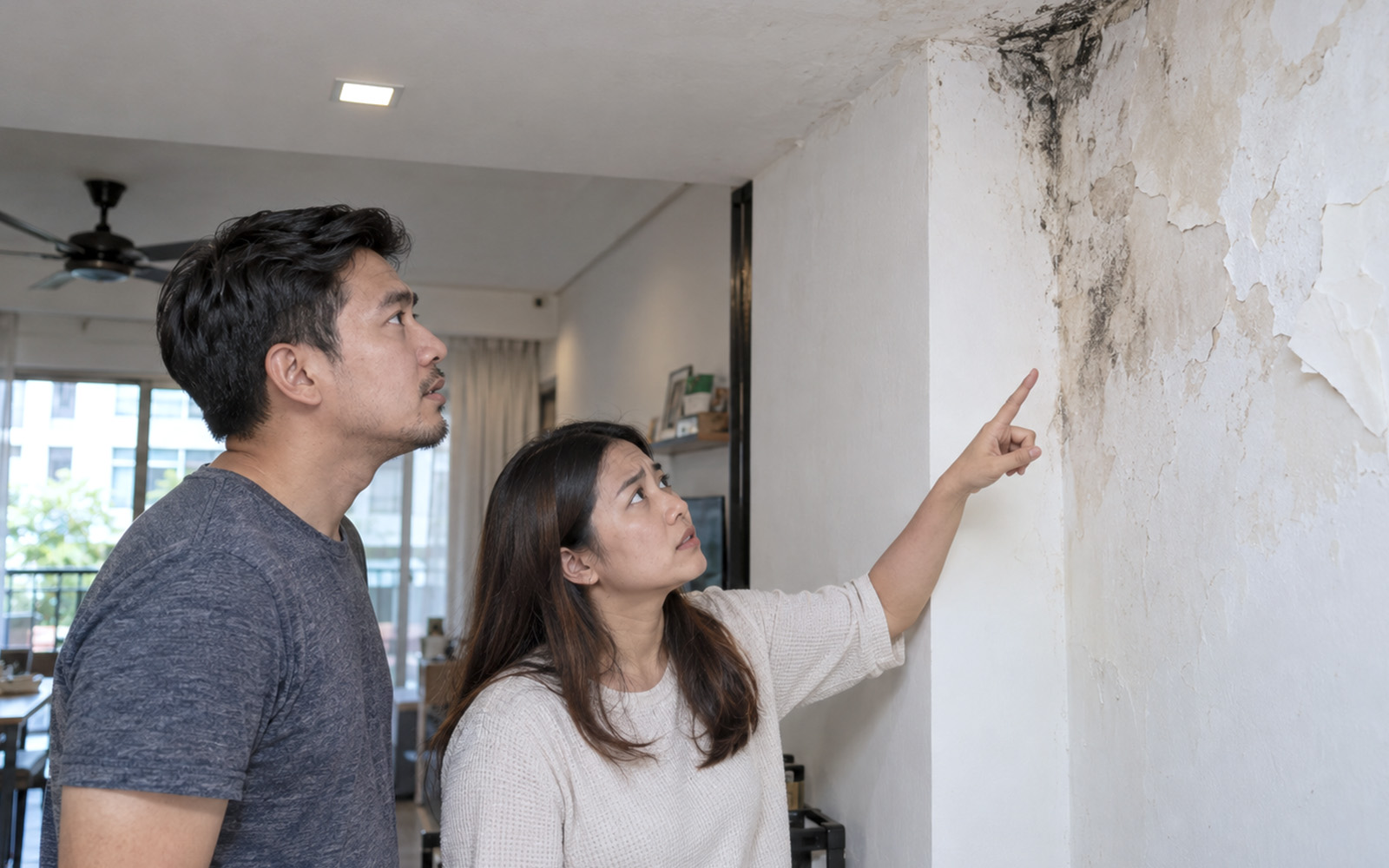
Waterproofing defects have emerged as a significant financial concern for property owners across the region, with homeowners reporting substantial repair bills once manufacturer and developer warranties lapse. The problem typically surfaces months or years after purchase, leaving owners responsible for costly remediation efforts that can run into thousands of ringgit.
Defect liability periods, which typically last one to two years from completion, provide limited protection for homeowners. Once this window closes, property owners must bear full responsibility for addressing water ingress issues, whether they stem from construction defects or material failures. This timing gap has proven problematic, as waterproofing problems often manifest gradually and become apparent only after warranty coverage has ended.
Repair costs vary significantly depending on the extent of damage and affected areas. Issues ranging from seepage in bathrooms and kitchens to more severe structural water damage can require extensive remediation, involving wall reconstruction, resealing, and potential mold treatment. Multiple rounds of repairs are common, as temporary fixes often prove inadequate for addressing underlying waterproofing failures.
Industry observers note that prevention and early detection remain critical for homeowners. Regular maintenance, prompt attention to minor leaks, and documentation of defects during the warranty period are essential steps. Building specialists recommend that property owners conduct thorough inspections before warranties expire and pursue claims promptly when defects are identified.
The issue has prompted calls for greater accountability in construction standards and clearer communication between developers and homeowners regarding maintenance responsibilities and long-term structural protection.