World · World News Bureau
Hong Kong bids farewell to first post-colonial leader Tung Chee-hwa
Hong Kong held a state funeral for Tung Chee-hwa, the shipping magnate who served as the territory's first chief executive after the 1997 handover from British rule. Tung's decade-long tenure witnessed significant political turbulence as Hong Kong navigated its transition under Beijing's sovereignty.
LSN World News ·
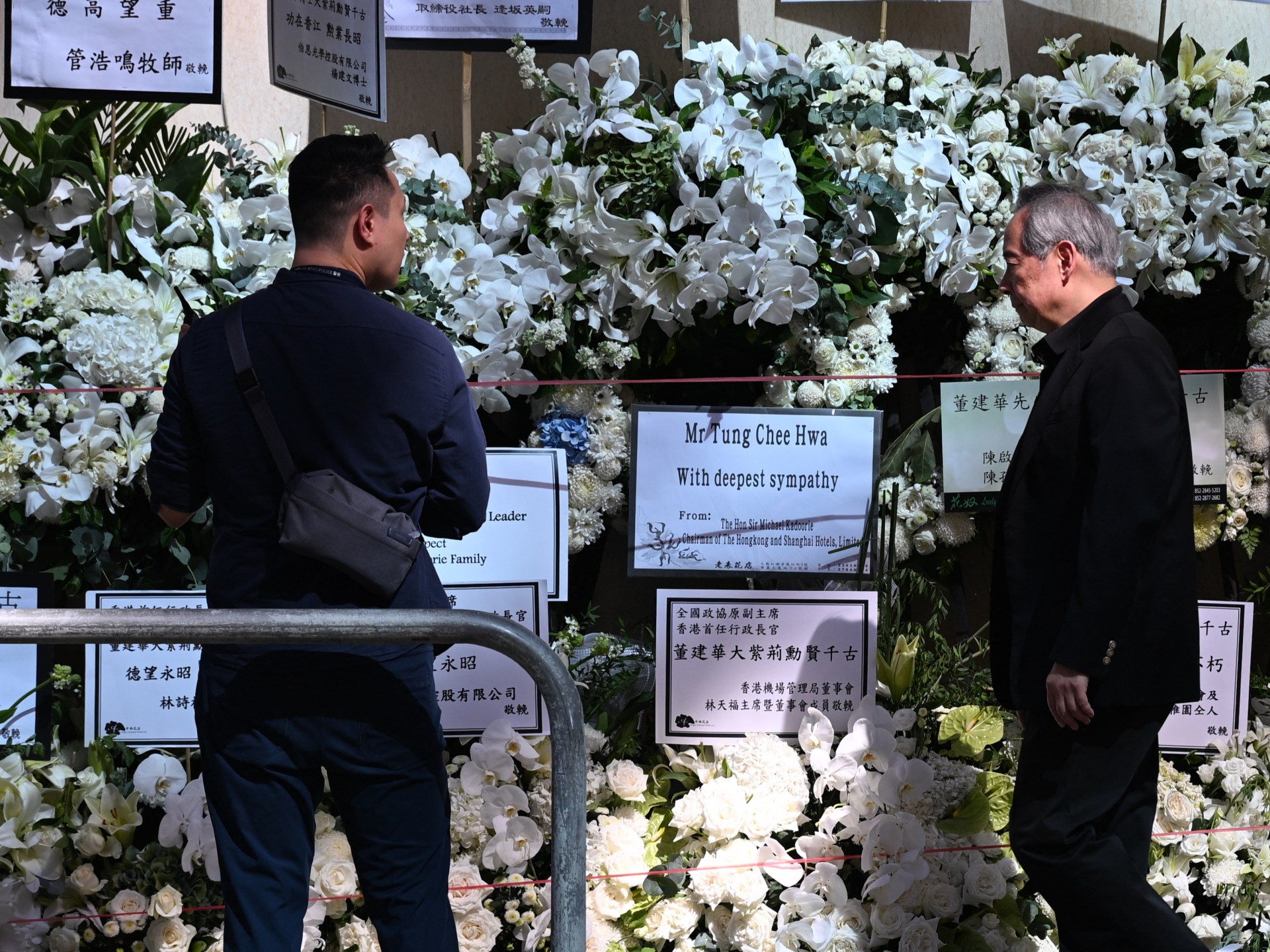
Tung Chee-hwa, who steered Hong Kong through its critical early years as a Chinese special administrative region, received a state funeral befitting his role as the territory's inaugural post-colonial leader. Selected by Beijing in 1996 ahead of the handover, Tung brought his background as a prominent shipping industrialist to the position of chief executive, a role he held until 2005.
Tung's decade in office proved transformative and contentious. His administration confronted the Asian financial crisis of 1997-1998, economic stagnation, and escalating public discontent over political freedoms and governance. The period saw growing tensions between Hong Kong's pro-democracy movement and Beijing's centralizing influence, setting patterns that would define the territory's political landscape for decades.
The timing of Tung's appointment reflected Beijing's careful orchestration of Hong Kong's transition. Rather than inheriting the colonial governor's post, the chief executive role symbolized a new era of mainland influence over the territory's governance. Tung's eventual departure came amid declining popularity, paving the way for successive leaders to navigate the complexities of Hong Kong's unique status.
Tung's funeral underscored his historical significance as a bridge figure between Hong Kong's colonial past and its present as a Chinese-administered region. Though his tenure remains controversial among pro-democracy advocates, his role in shaping post-1997 Hong Kong ensures his place in the territory's contemporary history.