Business · India Bureau
Hong Kong cattle DNA study reveals island livestock adaptation secrets
Genetic analysis of Hong Kong's historic cattle herds has unveiled how livestock populations adapted to island living conditions over centuries. The research provides new insights into animal domestication and environmental resilience in Southeast Asian farming communities.
LSN India ·
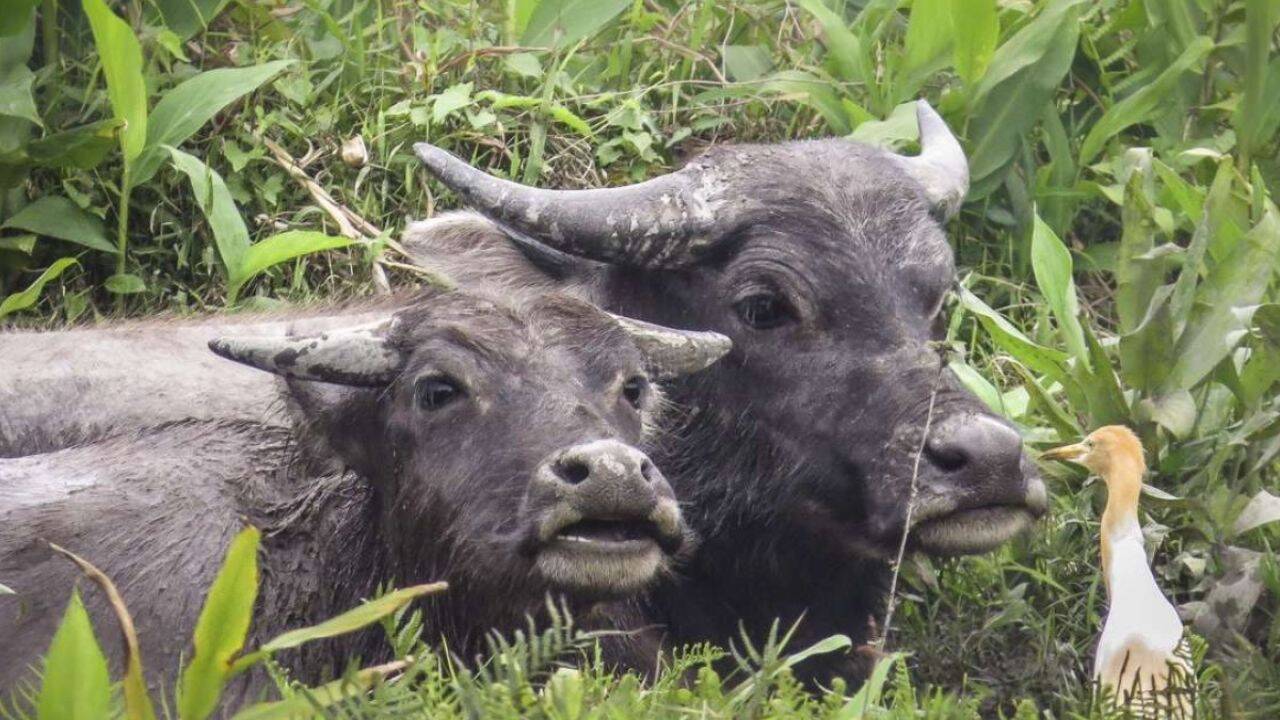
Scientists studying the genetic makeup of cattle in Hong Kong have identified distinct DNA markers that reveal how the animals adapted to life on the densely populated island territory. The research examines the genetic lineage of local cattle breeds and their evolutionary responses to the unique environmental and geographical constraints of island habitats.
The study found that Hong Kong's cattle developed specific genetic traits suited to the island's limited grazing lands, variable climate conditions, and high-density agricultural practices. These adaptations likely occurred over multiple generations as farmers selectively bred animals best suited to local farming methods and resource availability.
The genetic analysis also sheds light on the historical movement of livestock populations across the Pearl River Delta region and broader Southeast Asia. Researchers traced ancestry markers that connect Hong Kong cattle to broader cattle populations in mainland China and other parts of the region, suggesting significant livestock trade and migration patterns throughout history.
The findings contribute to broader scientific understanding of how animal domestication and selective breeding create distinct genetic signatures. Such research helps preserve knowledge of traditional livestock varieties and informs contemporary conservation efforts for heritage breed cattle that face extinction as modern industrial farming practices dominate the region.
Specialists note that similar genetic studies of regional livestock varieties could reveal adaptation patterns across South and Southeast Asian farming communities, offering valuable data for sustainable agricultural development and breeding programs.