World · India Bureau
Hope Diamond's Journey to Smithsonian Reshaped Gem's Storied Legacy
The legendary Hope Diamond, which originated in India, was dispatched to the Smithsonian Institution via registered mail in 1958 after jeweller Harry Winston's generous donation. The unconventional delivery method transformed perceptions of one of the world's most celebrated gemstones.
LSN India ·
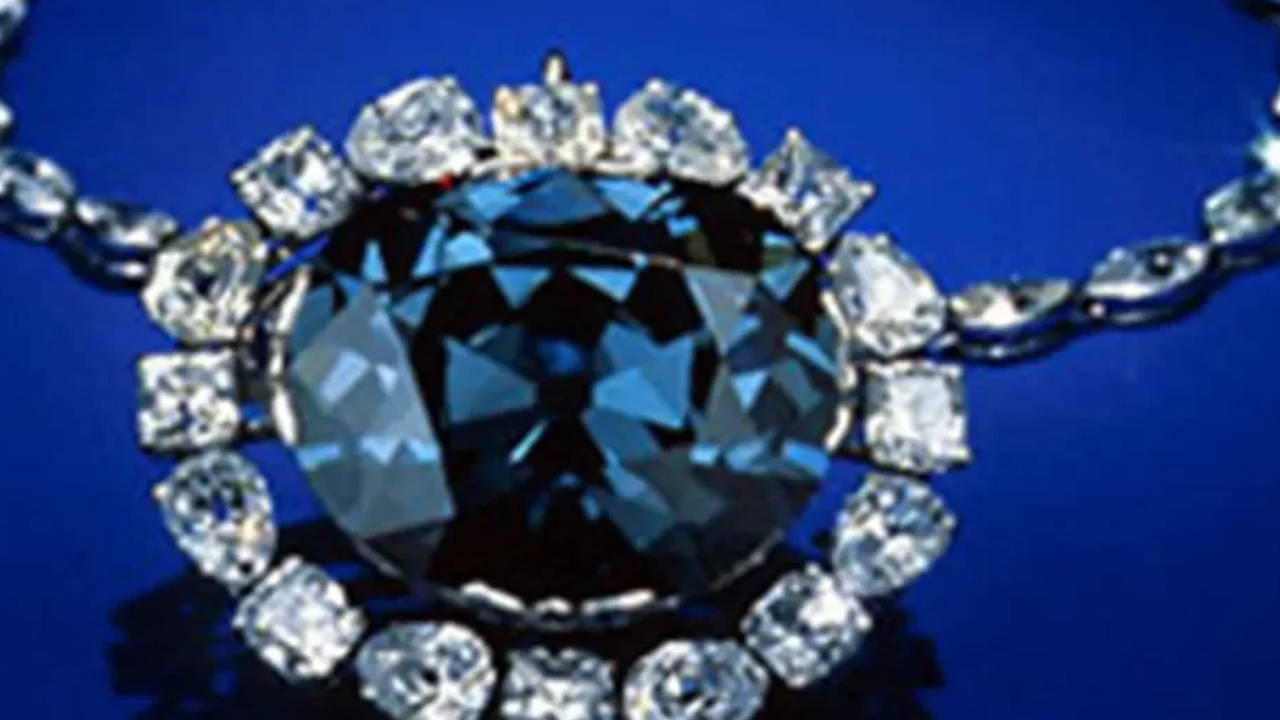
One of the world's most renowned diamonds embarked on an extraordinary journey in 1958 when it was entrusted to the United States postal system. The Hope Diamond, valued at approximately one million dollars, was sent as registered mail to the Smithsonian Institution, marking a pivotal moment in the gem's distinguished history.
The decision to dispatch the precious stone through ordinary postal channels proved unconventional for a jewel of such prominence and value. Rather than diminishing its prestige, the humble delivery method—packaged in a plain parcel—unexpectedly reshaped public perception and added a distinctive chapter to the diamond's legacy.
The Hope Diamond's path to the Smithsonian began in 1949 when renowned American jeweller Harry Winston acquired it from the estate of Evalyn Walsh McLean, a prominent Washington socialite. Winston's decision to donate the gem to the museum ensured that this historic stone, with its origins tracing back to India, would be preserved for posterity and made accessible to the public.
The diamond's Indian heritage connects it to centuries of trade and royal patronage across South Asia. By entrusting it to America's foremost museum through such an understated delivery mechanism, Winston demonstrated a commitment to public stewardship that would define the gem's modern era and cement its status as a symbol of historical significance accessible to all.