Business · World News Bureau
Hormuz crisis is the largest energy supply shock in history, IEA says, warning Asia may lean on coal for longer
The agency's World Energy Outlook says 2.8 billion barrels of Gulf oil supply had been lost by the end of October and sees no return to the energy world as it was before.
LSN World News ·
<p>The disruption to oil and gas shipments through the Strait of Hormuz has become the largest energy supply shock the world has ever faced, and it is not over, the International Energy Agency (IEA) said in its annual World Energy Outlook, published on Thursday, 19 November.</p>
<p>By the end of October, cumulative losses from the Gulf had reached 2.8 billion barrels of oil and 60 billion cubic metres of natural gas, the Paris-based agency said, describing the shortfall as much larger than any previous shock. Diesel supplies have come under extreme pressure, with prices reaching record levels above $200 a barrel. The IEA said consumers and high prices are increasingly having to absorb the impact as other buffers are run down.</p>
<p>"The Hormuz crisis has delivered a huge shock to the system," IEA Executive Director Fatih Birol said. "While the energy sector and the global economy have shown considerable resilience, the longer the crisis lasts, the deeper the effects will be. And I don't see any credible pathway for the energy world to return to the way it was before."</p>
<p>The report says many countries are rewriting their energy strategies in response, with common trends emerging: diversifying supplies, trade routes and technology supply chains, preferring domestic energy sources and electrifying faster. Renewables, led by solar power, and nuclear energy are set to be the biggest winners across its scenarios.</p>
<p>The IEA singled out Asia, where many oil and gas importers have large domestic coal reserves. It said energy security concerns could encourage governments in the region to rely on coal for longer.</p>
<p>In a scenario where serious risks to Hormuz shipping persist, the agency said new bypass pipelines, alternative supplies and demand measures by importers could cut the oil that needs to pass through the strait from 20 million barrels a day before the crisis to 8.5 million in 2030 and under 2 million by 2035. Even then, the Middle East would remain the world's largest oil exporter, it said.</p>
<p>If the Middle East conflict is clearly resolved, however, the IEA said oil and gas supply could rebound strongly, helped by a delayed wave of new liquefied natural gas projects, potentially creating a buyer's market and pushing prices down.</p>
<p>The agency also warned that higher fuel prices and shortages this year risk slowing recent gains in access to electricity and clean cooking in developing economies. Euronews reported that despite US efforts to escort vessels through the strait, which carried about a fifth of global oil shipments before the crisis, supply lines remain severely disrupted.</p>
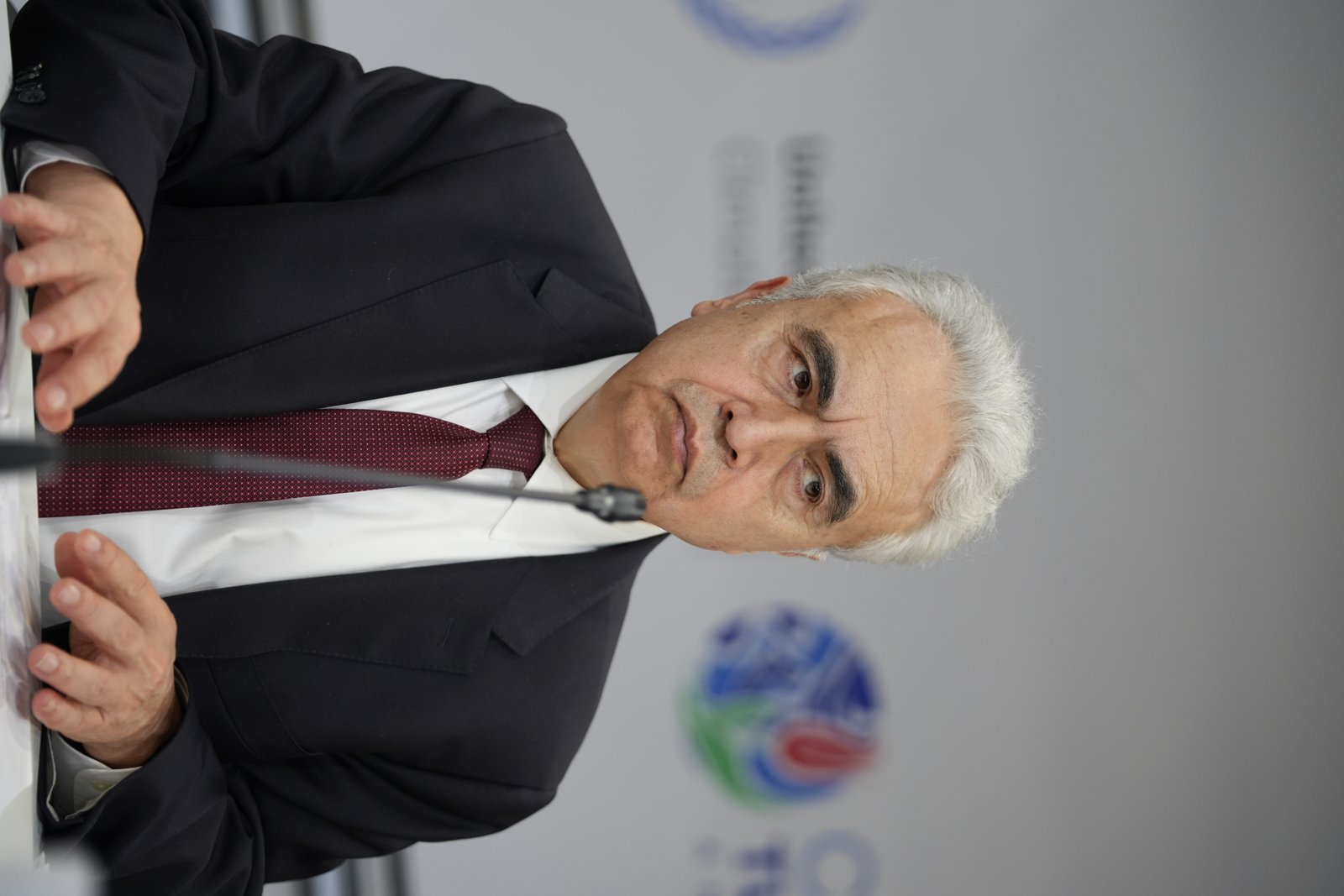
<p><em>IEA Executive Director Fatih Birol at COP31 in Antalya, Turkey, on 12 November 2026. Photo: Xuthoria via Wikimedia Commons, CC BY-SA 4.0</em></p>