Business · World News Bureau
Hormuz Strait Disruption Sends Shockwaves Through Global Shipping
A dramatic collapse in traffic through a critical Middle Eastern waterway has exposed vulnerabilities in global trade routes that carry roughly 80 percent of the world's maritime commerce. The crisis highlights the fragility of international supply chains dependent on a single chokepoint.
LSN World News ·
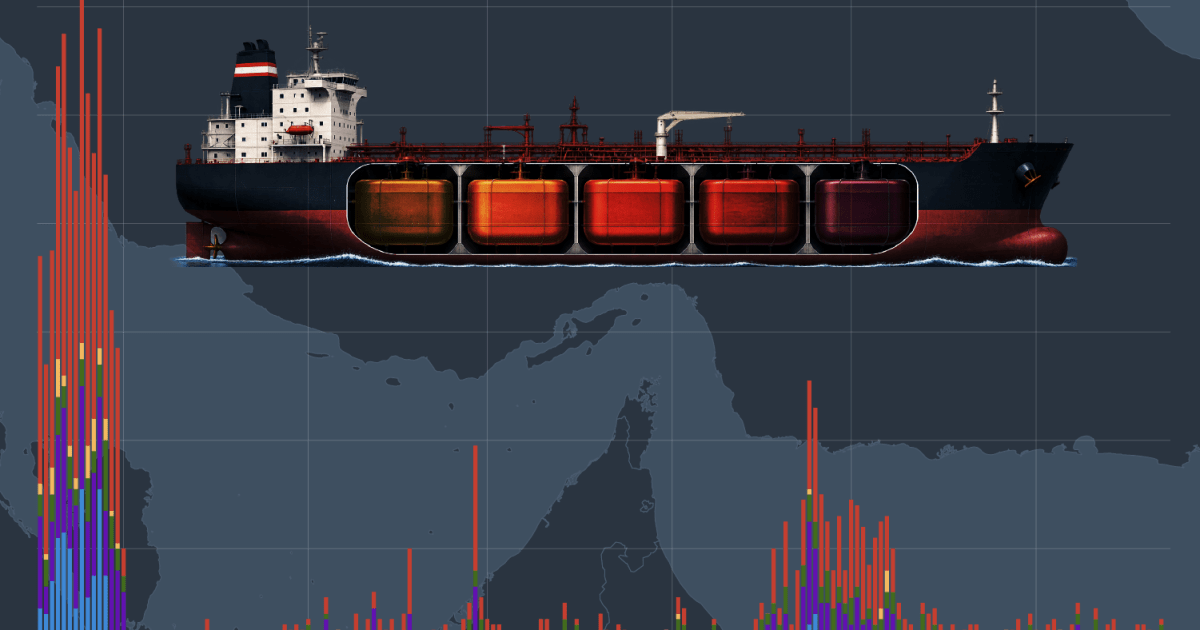
The Strait of Hormuz, nestled between Iran and Oman, serves as the world's most vital shipping corridor, with nearly one-third of all seaborne traded oil and liquefied natural gas passing through its narrow channels daily. Recent disruptions have seen traffic plummet by approximately 95 percent, triggering immediate repercussions across industries reliant on steady maritime flows.
The bottleneck has forced shipping companies, manufacturers, and energy producers to reassess their dependence on the waterway and explore alternative routes. Vessels have been diverted toward longer passages around the Horn of Africa and through the Suez Canal, significantly extending transit times and driving up operational costs across global supply chains.
Economists and industry analysts warn that prolonged instability in the region could trigger cascading disruptions in manufacturing, energy markets, and consumer goods. The incident underscores the interconnected nature of modern commerce and the risks posed by concentration of trade through geographically vulnerable locations.
Governments and international shipping authorities are examining contingency measures to reduce reliance on single routes, though geopolitical realities and geographic constraints limit immediate alternatives. The crisis serves as a stark reminder that global trade, despite its complexity, remains dependent on a handful of critical infrastructure points vulnerable to disruption.