World · Malaysia Bureau
Hormuz Strait shipping traffic remains below average amid regional tensions
Nine vessels transited the strategic Strait of Hormuz on the day in question, falling short of typical 10-day traffic levels. The passage included bulk carriers and a ballast gas carrier navigating one of the world's most critical shipping channels.
LSN Malaysia ·
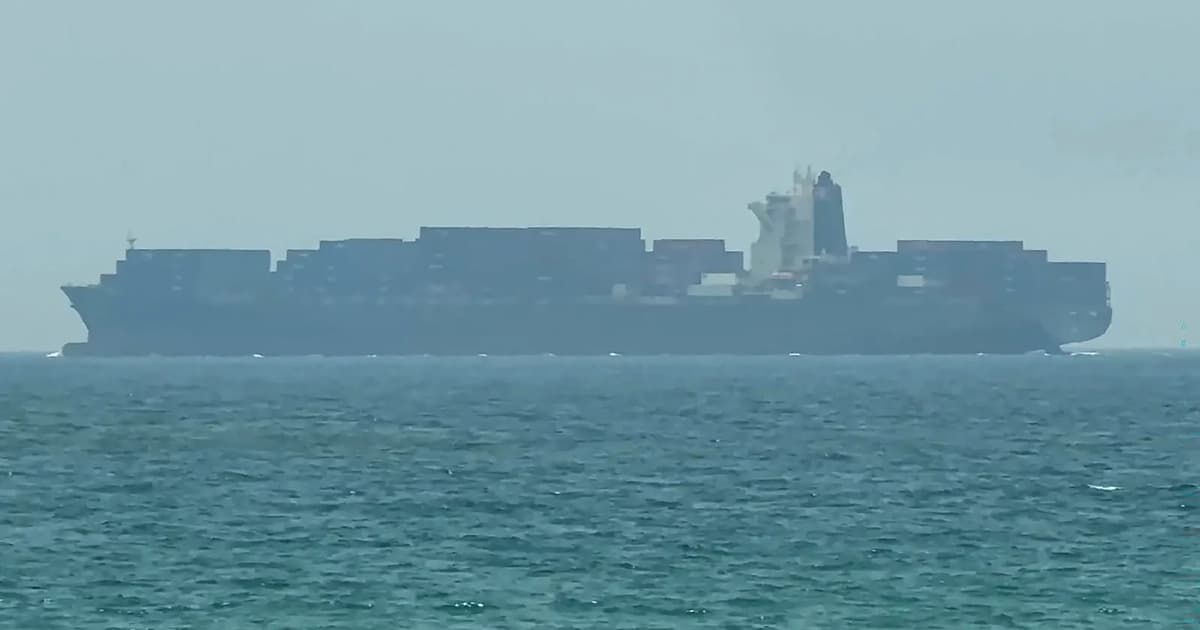
Shipping activity through the Strait of Hormuz, a vital corridor for global energy supplies, remained subdued with only nine vessels completing transit, according to latest maritime data. Traffic levels fell below the standard 10-day average, reflecting ongoing concerns about navigational conditions and regional geopolitical factors affecting shipping patterns.
The vessels that passed through included multiple Supramax-class bulk carriers laden with metals, grain and other dry bulk commodities destined for ports across Asia and beyond. The transit also included a very large gas carrier operating in ballast, indicating reduced liquefied natural gas shipments through the strait during the period.
The Strait of Hormuz handles a significant portion of global maritime trade, making vessel movements through the waterway a key indicator of regional shipping confidence and international commerce. Fluctuations in daily transit volumes can reflect both seasonal demand patterns and broader economic conditions affecting trade flows between the Middle East and Asia-Pacific markets.
Malaysia and other regional economies remain dependent on stable Hormuz shipping corridors for energy imports and trade connectivity with major markets. Monitoring strait traffic provides insight into broader shipping trends and economic activity across South and Southeast Asia.