World · India Bureau
Hormuz Strait vessel traffic drops sharply, signalling shipping concerns
Ship movements through the strategically vital Strait of Hormuz have declined significantly, with preliminary tracking data showing a marked slowdown in one of the world's most critical oil transit routes.
LSN India ·
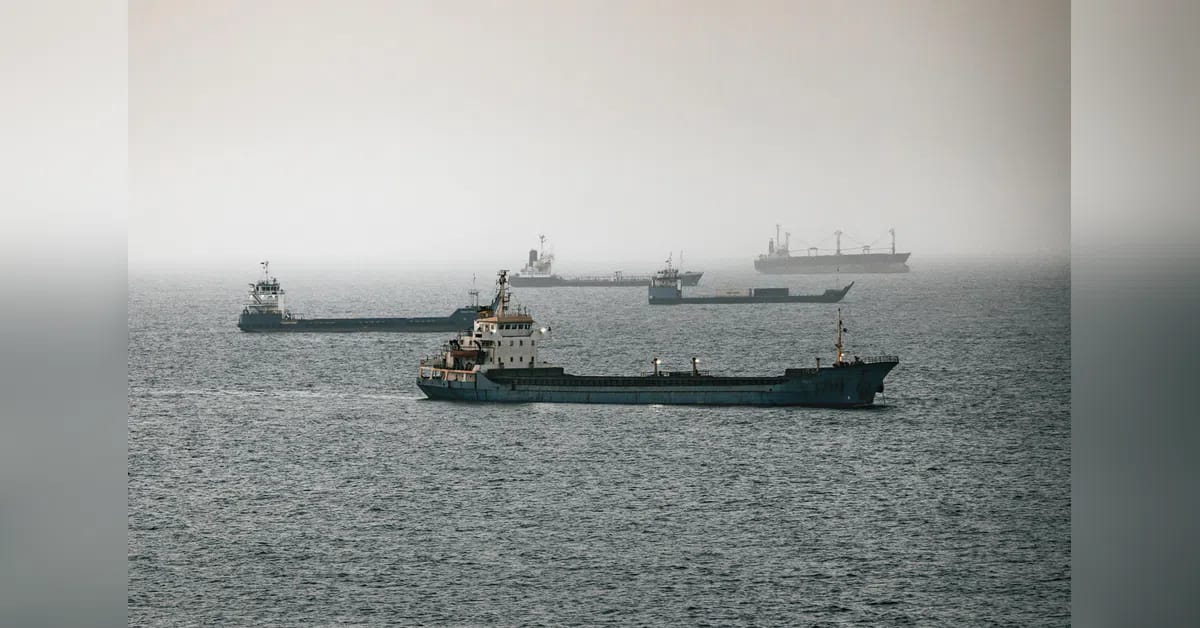
Vessel traffic through the Strait of Hormuz fell to just seven ships on Wednesday, marking a sharp drop from 12 transits recorded the previous day, according to preliminary vessel tracking data. The decline represents a significant dip below the 10-day average of 14 daily transits through the narrow waterway, which serves as a crucial chokepoint for global energy supplies.
The Strait of Hormuz, linking the Persian Gulf to the Gulf of Oman, handles roughly one-third of all globally traded seaborne crude oil and significant volumes of liquified natural gas. Any substantial fluctuations in traffic through the passage carry implications for international energy markets and shipping operations across the Indian Ocean region.
The drop in vessel movements may reflect varied factors, including weather conditions, seasonal shipping patterns, or operational challenges. Shipping analysts across South and Southeast Asia closely monitor traffic patterns through the strait given the region's dependence on stable energy supplies and predictable shipping costs.
The preliminary nature of the tracking data suggests that figures may be subject to revision as additional information becomes available. Sustained monitoring of transit volumes through the Hormuz Strait remains essential for stakeholders tracking energy security and maritime trade flows.