World · World News Bureau
Horror Writer Stephen Graham Jones Reveals Key to Crafting Effective Spine-Tinglers
Acclaimed horror author Stephen Graham Jones argues that the ending is the most critical element in determining whether a supernatural tale truly unnerves readers. The acclaimed writer shares insights into what separates memorable horror from forgettable fright attempts.
LSN World News ·
Horror fiction relies on more than jump scares and grotesque imagery to leave a lasting impression on audiences, according to acclaimed author Stephen Graham Jones. In examining what distinguishes effective horror narratives, Jones points to one fundamental component: the ending.
The celebrated writer emphasizes that how a story concludes determines whether readers experience genuine dread or merely temporary unease. A poorly executed conclusion can undermine even the most carefully constructed atmospheric tension, while a masterful ending can elevate an entire narrative and embed it in the reader's mind long after the final page.
Jones, whose prolific body of work spans multiple genres with horror as a central focus, suggests that horror authors often invest considerable effort in building suspense and creating unsettling scenarios. However, the resolution of these elements proves equally crucial to the overall impact. The ending must deliver on the psychological promises made throughout the narrative, whether through unexpected twists, devastating inevitability, or haunting ambiguity.
For writers seeking to craft stories that genuinely disturb and fascinate audiences, Jones's perspective offers practical guidance: the most effective horror narratives are those that conclude in ways that resonate with readers' deepest anxieties. A spine-tingling story, ultimately, is one that continues to unsettle long after the narrative has ended.
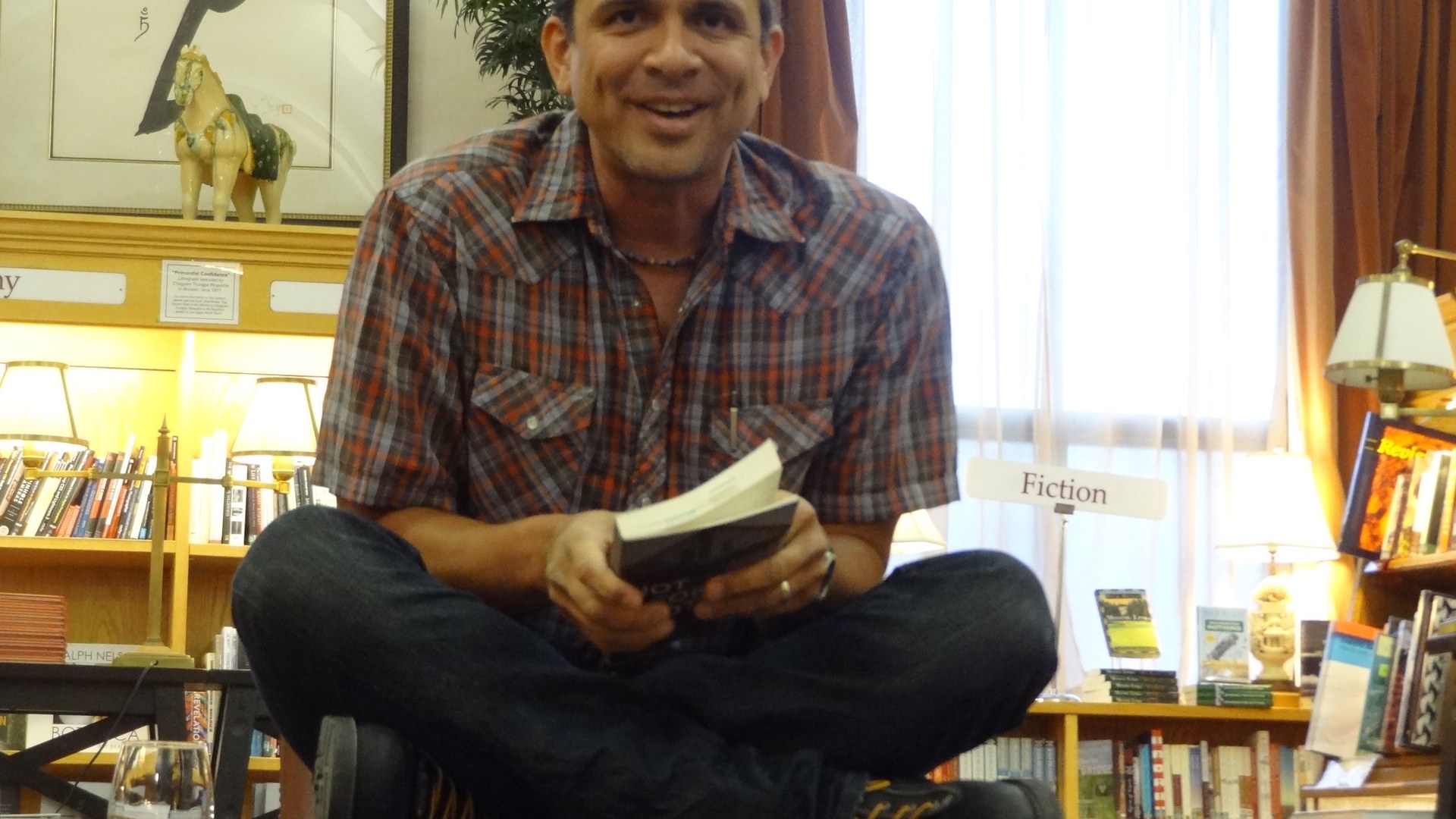
Photo: Author Stephen Graham Jones at a book signing, April 2014. Hexeditor via Wikimedia Commons (CC BY-SA 4.0).