World · Singapore Bureau
Horticultural programmes cultivate wellness among elderly populations
Community gardens and green-based initiatives are gaining traction as effective interventions for senior care across the region. Experts suggest that hands-on gardening work offers both physical activity and emotional benefits for ageing populations.
LSN Singapore ·
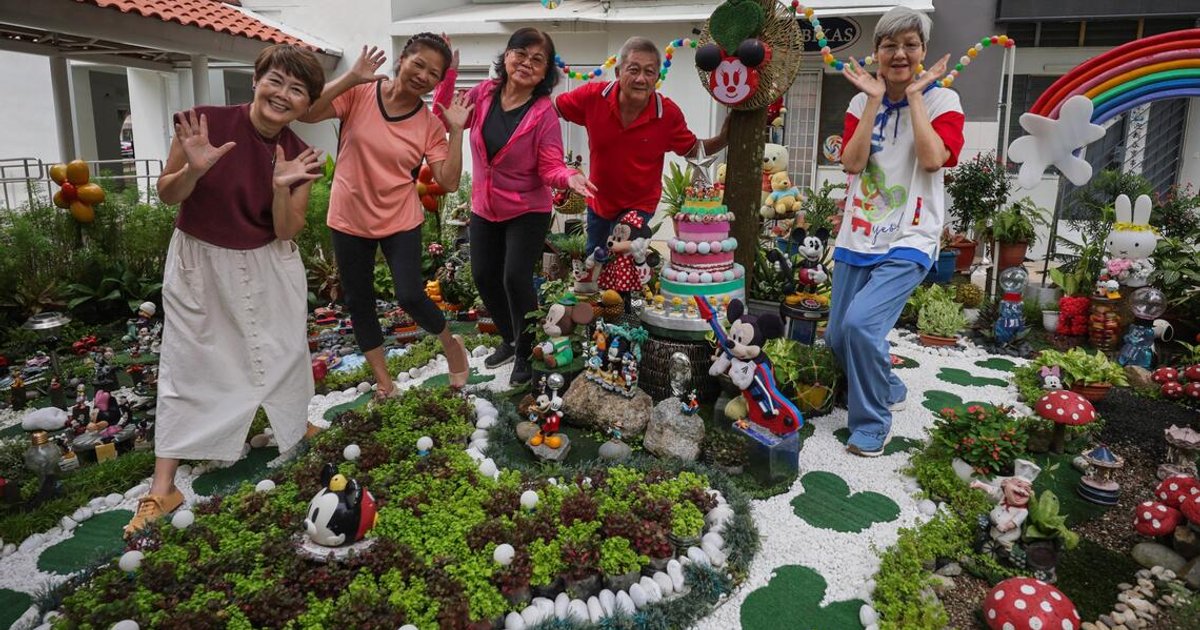
Gardening programmes tailored for elderly participants are emerging as a holistic approach to senior wellness in South and Southeast Asia. These initiatives recognise that caring for plants and nurturing garden spaces requires the same thoughtful preparation and customised attention that elderly individuals need for their own wellbeing.
Proponents of horticultural therapy point to multiple health advantages. Regular gardening activity provides low-impact physical exercise, cognitive stimulation through problem-solving, and meaningful social engagement when conducted in group settings. The work of tending soil, managing plant growth cycles, and harvesting produce offers both structure and purpose to daily routines.
Community organisations across the region have implemented such programmes, recognising their potential to address isolation and declining mobility among seniors. The activities foster connection with nature while encouraging participants to remain active and engaged. Garden spaces themselves become venues for intergenerational interaction and knowledge-sharing.
Health practitioners increasingly view these initiatives as complementary to conventional aged care approaches. By creating environments where elderly individuals can contribute productively and witness tangible results from their efforts, gardening programmes address both physical and psychological dimensions of healthy ageing. The sector continues to expand as demand for innovative senior care solutions grows.