World · India Bureau
Houseplants to Avoid: Vastu and Feng Shui Guide for Indian Homes
According to traditional Vastu and Feng Shui principles, certain ornamental plants are believed to bring negative energy and financial hardship into homes. Experts recommend homeowners be mindful of plant selection before bringing greenery indoors.
LSN India ·
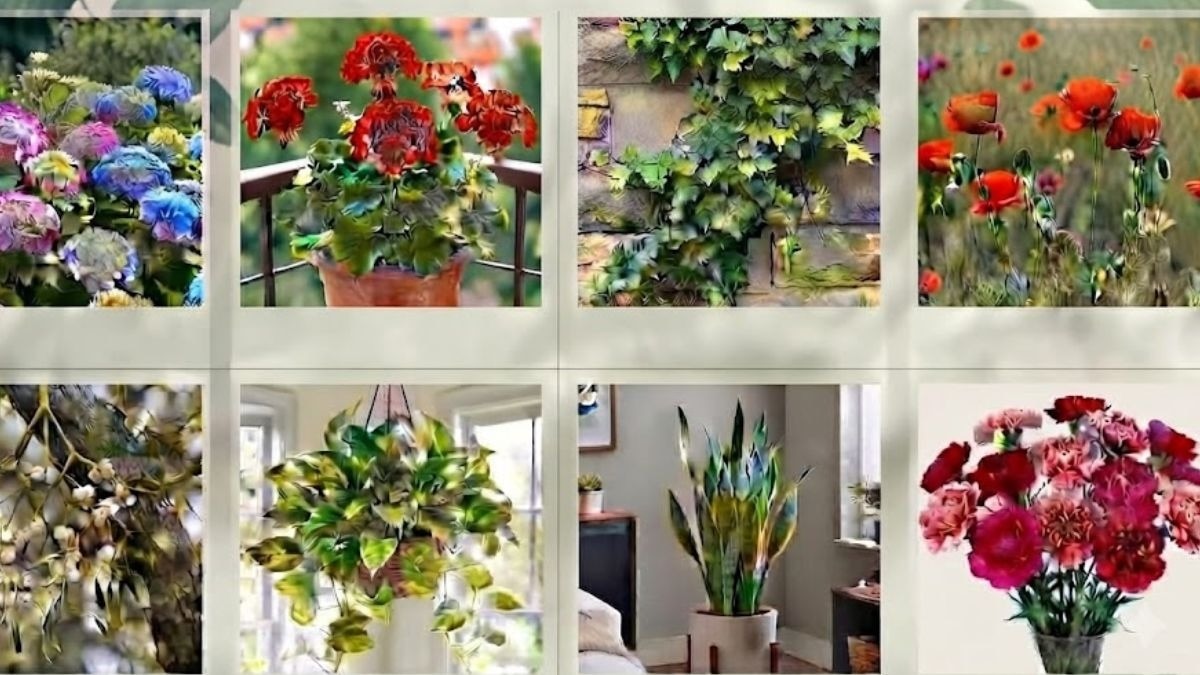
Indian households have long embraced indoor plants for both aesthetic and wellness purposes, but ancient Vastu Shastra and Feng Shui traditions caution against keeping specific varieties within living spaces. These belief systems, which influence home décor choices across South Asia, identify eight plant species that are traditionally considered inauspicious for domestic environments.
According to practitioners of these traditional sciences, certain plants are thought to attract negative energy and financial misfortune. While modern interpretations vary, believers maintain that the placement and type of greenery can significantly impact the spiritual and material well-being of household members. The concerns centre on plants with thorns, drooping leaves, or those associated with death and decay in cultural symbolism.
Vastu experts suggest that before introducing any plant into a home, residents should research its significance within these philosophical frameworks. The selection process involves understanding each plant's energy properties and how they may influence the household's prosperity and harmony. Those who follow these principles recommend replacing potentially inauspicious plants with alternatives believed to promote wealth, health, and positive vibrations.
For those interested in combining modern interior design with traditional beliefs, consulting Vastu or Feng Shui specialists can provide guidance on suitable plant choices. Many nurseries and gardening centres across India now stock plant varieties specifically curated according to these ancient guidelines, catering to the growing interest in spiritually-aligned home environments.