Technology · World News Bureau
Houthi Attacks Expose Gaps in Saudi Arabia's Air Defence Systems
Sustained missile strikes on King Khalid Airport demonstrate that even sophisticated air defence networks face vulnerabilities against persistent drone and missile campaigns. The repeated breaches raise questions about the effectiveness of billions of dollars invested in regional security infrastructure.
LSN World News ·
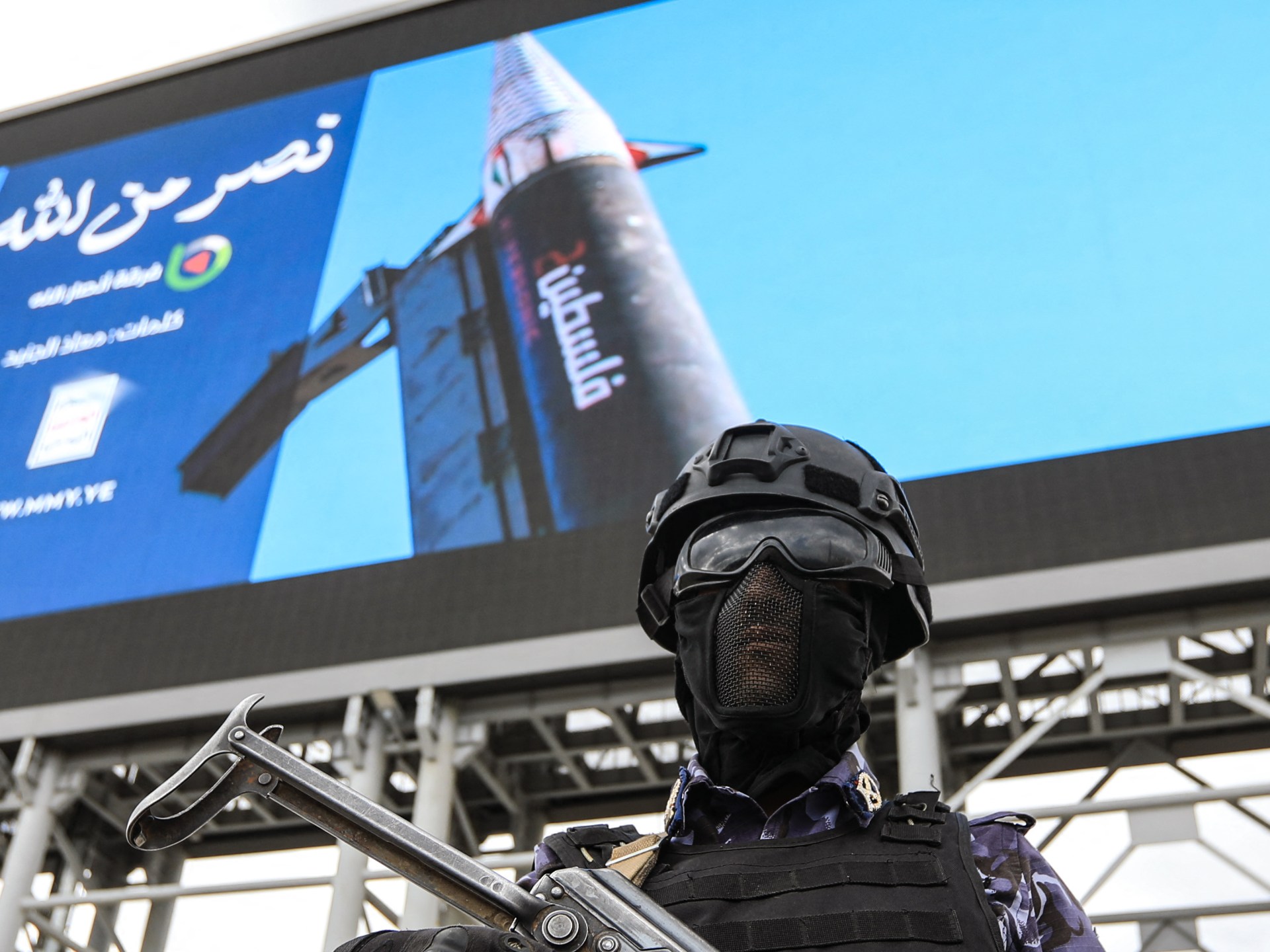
Saudi Arabia's air defence systems have repeatedly failed to intercept Houthi missiles targeting King Khalid Airport near Riyadh, according to security analysts tracking the ongoing campaign. The strikes, which have occurred with increasing frequency, have struck critical infrastructure at one of the kingdom's busiest aviation hubs, underscoring the limitations of even advanced defensive technologies.
The Yemen-based Houthi movement has deployed increasingly sophisticated weaponry, including cruise missiles and drones capable of evading radar detection and air-to-air interception. Military experts point to the group's use of saturation tactics—launching multiple projectiles in rapid succession—which overwhelms existing defence networks designed to counter smaller-scale threats.
Saudi Arabia has invested substantially in air defence systems, including American-supplied Patriot missiles and THAAD batteries. However, the persistent breaches suggest that technological sophistication alone cannot address threats posed by coordinated, multi-directional attacks or adversaries willing to absorb significant losses to achieve their objectives.
The pattern of successful strikes has prompted regional security analysts to reassess conventional defence doctrines in the face of non-state actors equipped with asymmetric weaponry. The incidents also underscore the humanitarian and economic costs of the conflict in Yemen, where Houthi capabilities have expanded despite years of Saudi-led military intervention.