World · World News Bureau
Houthi Attacks Test Scope of Saudi-Led Regional Security Pact
Escalating Houthi strikes raise questions about whether Pakistan and Turkey would honor defense commitments to Saudi Arabia, though analysts suggest direct military intervention in Yemen remains unlikely.
LSN World News ·
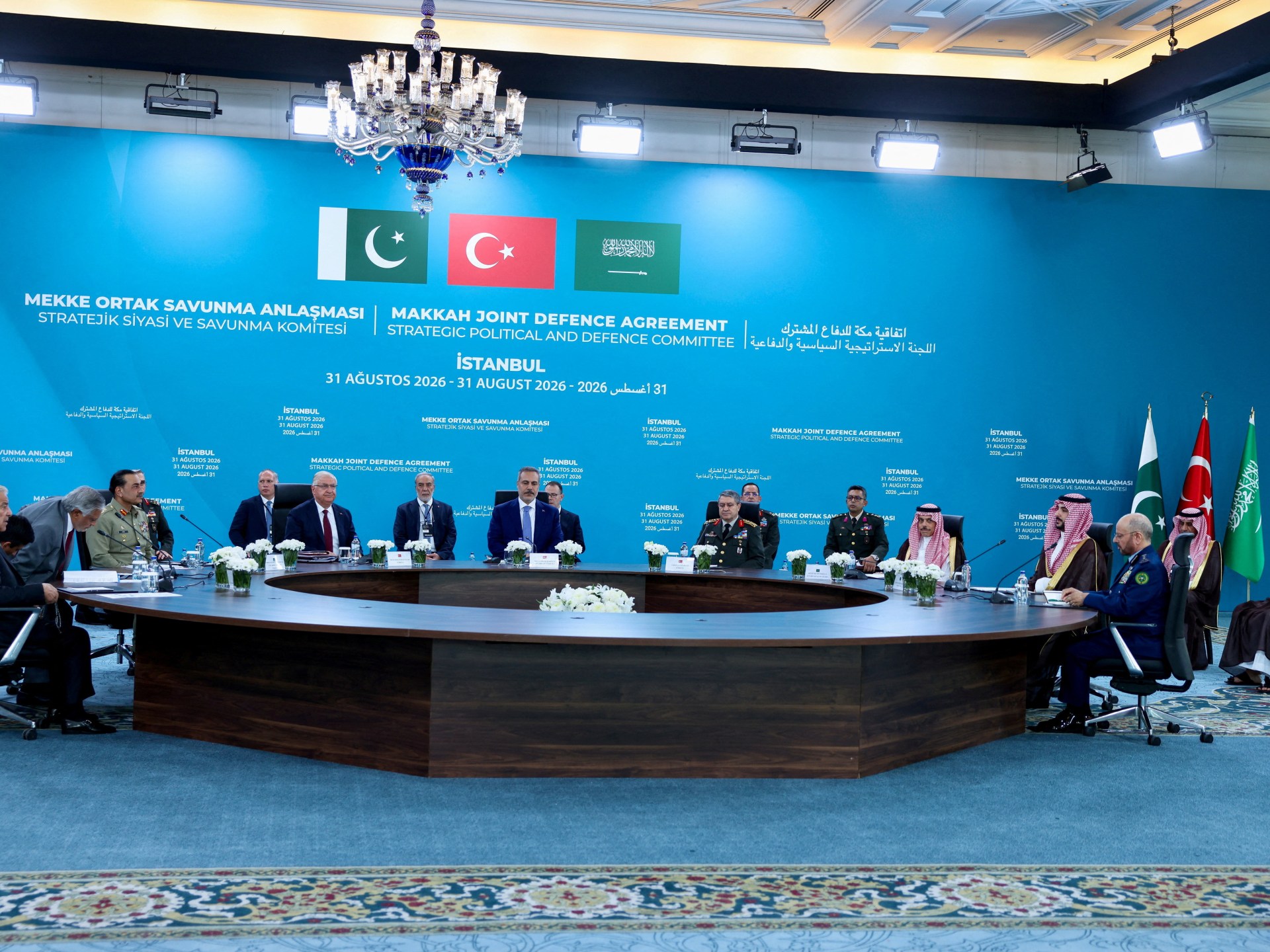
Intensifying attacks by Yemen's Houthi movement have revived scrutiny of the so-called Mecca Pact, an informal security arrangement involving Saudi Arabia, Pakistan, and Turkey. The agreement, which centers on mutual defense principles, has never been formally invoked or tested by military action among signatories.
Analysts suggest that while Pakistan and Turkey have publicly committed to supporting Saudi Arabia's security interests, the threshold for direct intervention remains high. Any meaningful response would likely depend on an explicit Saudi request and clear parameters defining the scope of engagement.
A full-scale military commitment to the Yemen conflict, however, appears improbable. Both Pakistan and Turkey maintain complex regional relationships that could be strained by deeper involvement in Yemen's civil war. Pakistan, already managing security challenges on its western border, has historically exercised caution in Middle Eastern military deployments. Turkey similarly balances multiple strategic interests across the region.
Expert assessments suggest that if the pact were activated, any involvement by Pakistan or Turkey would likely take limited forms—such as naval coordination, air defense support, or intelligence sharing—rather than ground operations or comprehensive combat participation in Yemen.
The Houthi campaign has repeatedly targeted Saudi Arabia's oil infrastructure and commercial shipping in the Red Sea, testing the kingdom's air defense capabilities and regional alliances. As strikes continue, the extent to which Saudi Arabia will invoke the mutual defense pact remains a key variable in assessing the regional security architecture.