World · India Bureau
Houthi rebels claim coordinated strikes on Saudi Arabian infrastructure
Yemen's Houthi insurgents have claimed responsibility for a series of attacks targeting key Saudi facilities including Riyadh airport, Aramco installations, and military airbases. Saudi authorities have not yet issued official confirmation of the incidents.
LSN India ·
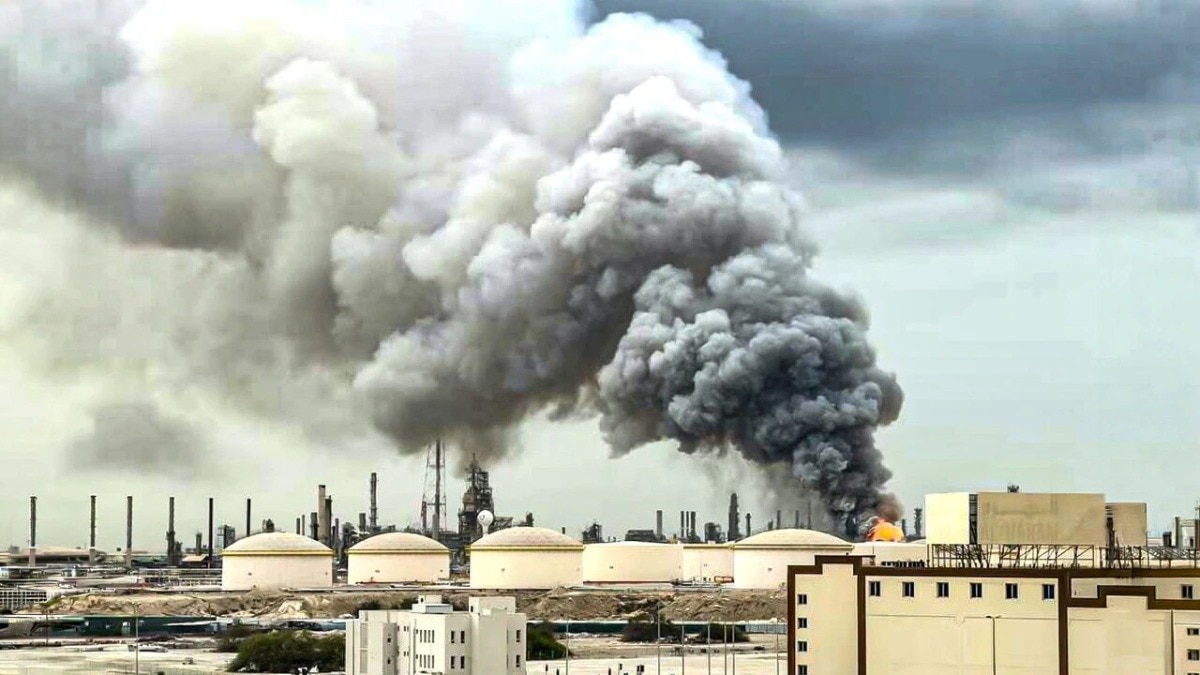
The Iran-aligned Houthi movement alleged on Sunday that it had launched coordinated strikes against multiple strategic targets across Saudi Arabia, marking an escalation in the ongoing regional conflict. The reported attacks targeted Riyadh's main airport, the Aramco petroleum facility at Yanbu on the Red Sea coast, the Rabigh oil refinery, and several military airbases, according to statements from Houthi sources. The militant group has previously conducted drone and missile operations against Saudi infrastructure, though independent verification of such claims remains difficult.
Saudi Arabia's defence ministry and relevant authorities have not issued formal statements acknowledging the alleged attacks. The absence of immediate official confirmation has created uncertainty regarding the scope and impact of the reported incidents. Regional analysts have noted that such claims typically warrant careful scrutiny, as militant organizations sometimes overstate the success of their operations.
The reported strikes, if confirmed, would represent a significant attack on Saudi Arabia's critical infrastructure at a time of heightened regional tensions. Aramco and Saudi oil facilities have been frequent targets of Houthi operations, with previous incidents causing disruptions to global energy markets. The targeting of Riyadh's main airport would be particularly significant given its importance to civilian and military air traffic.
The escalation underscores the ongoing humanitarian crisis and military conflict in Yemen, where Houthi forces continue to challenge the Saudi-backed government. International observers have expressed concerns about the impact of such operations on regional stability and global energy security.