World · India Bureau
How a dog's response led to insulin discovery in 1921
A pivotal moment in medical history involved an unexpected observation of a canine subject, which ultimately paved the way for the groundbreaking discovery of insulin and revolutionized diabetes treatment.
LSN India ·
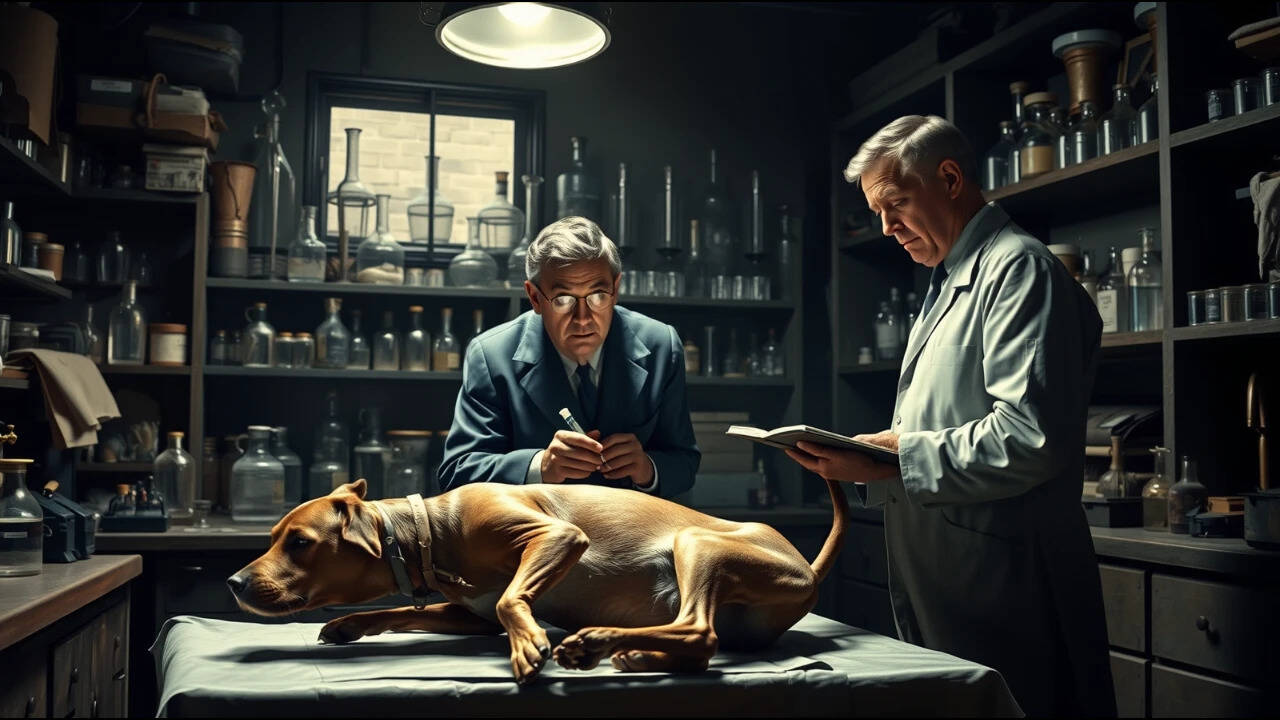
The discovery of insulin, one of the most significant breakthroughs in modern medicine, can be traced back to an observation made during an animal experiment in 1921. Medical researchers conducting physiological studies noted an unexpected reaction in a dog that would prove instrumental in unlocking one of science's greatest mysteries.
Scientists at the time were investigating the role of the pancreas in glucose regulation. During their experiments, they observed that when the pancreas was surgically removed from a dog, the animal exhibited signs consistent with what researchers recognized as diabetes-like symptoms. This critical observation suggested a direct link between pancreatic function and glucose metabolism in the body.
This animal-based research provided the foundation for subsequent investigations into pancreatic secretions. The findings motivated researchers to search for a specific substance produced by the pancreas that could regulate blood sugar levels, ultimately leading to the isolation and identification of insulin.
The discovery of insulin transformed the treatment landscape for diabetes patients worldwide. What began as a curious observation during animal research evolved into one of medicine's most transformative achievements, demonstrating how fundamental scientific inquiry and careful observation can yield discoveries that save millions of lives across generations.
Today, insulin remains a cornerstone of diabetes management, with its discovery marking a watershed moment in the history of endocrinology and medical science.