World · India Bureau
How a Pittsburgh Plumber's Homemade Observatory Caught Einstein's Attention
Leo Scanlon's innovative aluminium-domed observatory, built in 1930, became a beacon for amateur astronomers across America and earned recognition from Albert Einstein himself. The pioneering structure's legacy was immortalized when an asteroid was named in Scanlon's honour.
LSN India ·
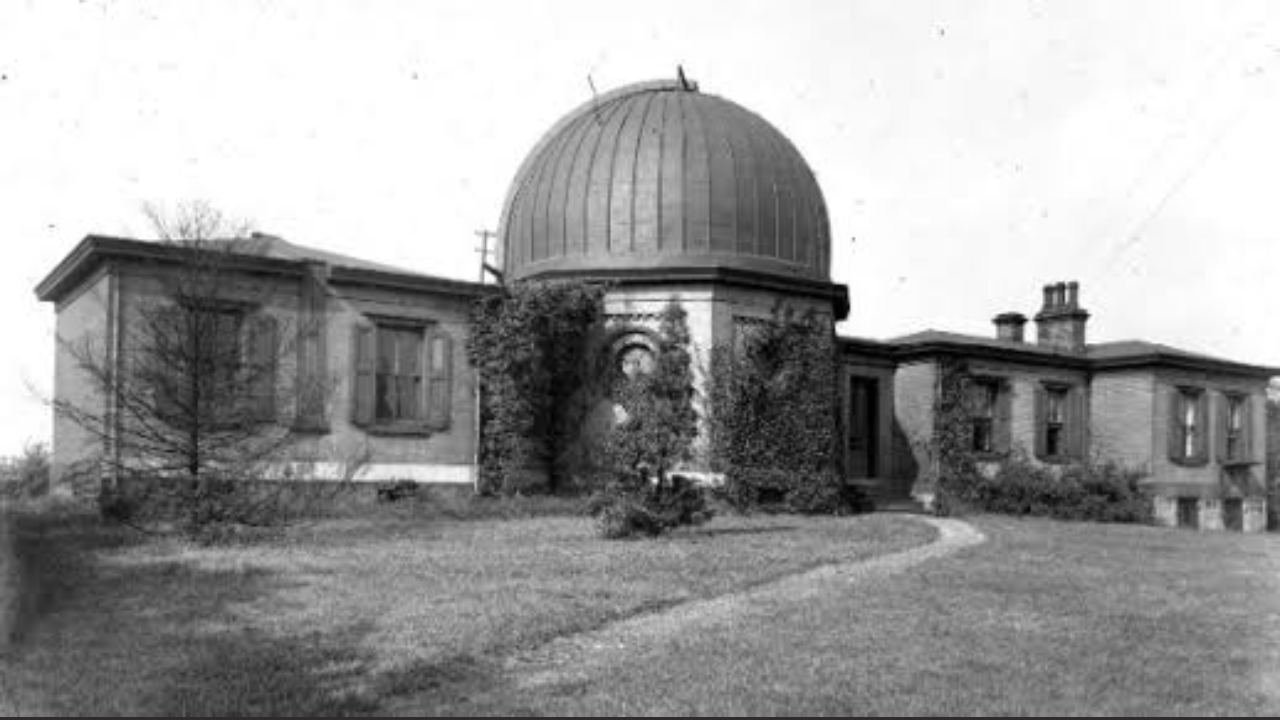
Leo Scanlon, a plumber from Pittsburgh, revolutionized amateur astronomy in 1930 when he constructed the Valley View Observatory using an unconventional aluminium dome design. The innovative approach proved transformative for the amateur astronomy community, offering an affordable alternative to traditional observatory construction methods that had previously limited access to such facilities.
Scanlon's practical ingenuity and commitment to democratizing astronomical observation quickly attracted enthusiasts across the United States. The observatory's distinctive design and cost-effective construction made it a model for amateur astronomers seeking to establish their own facilities, establishing Scanlon as a notable figure in grassroots scientific endeavour.
The observatory's growing reputation led to an encounter between Scanlon and renowned physicist Albert Einstein in 1934. Einstein's visit underscored the value of amateur scientific pursuits and brought international attention to Scanlon's contributions to the field of astronomy.
The significance of Scanlon's work was formally acknowledged by the astronomical community when asteroid 8131 was designated 'Scanlon'. This honour reflects the enduring legacy of the Valley View Observatory and its role in advancing amateur astronomy during a formative period in the discipline's history.