Business · India Bureau
How aviation took flight over Madras in early 20th century
From pioneering flights in 1910 to ambitious air taxi services, Madras emerged as a significant hub in India's early aviation history. The city witnessed numerous aviation milestones that shaped the subcontinent's relationship with air travel.
LSN India ·
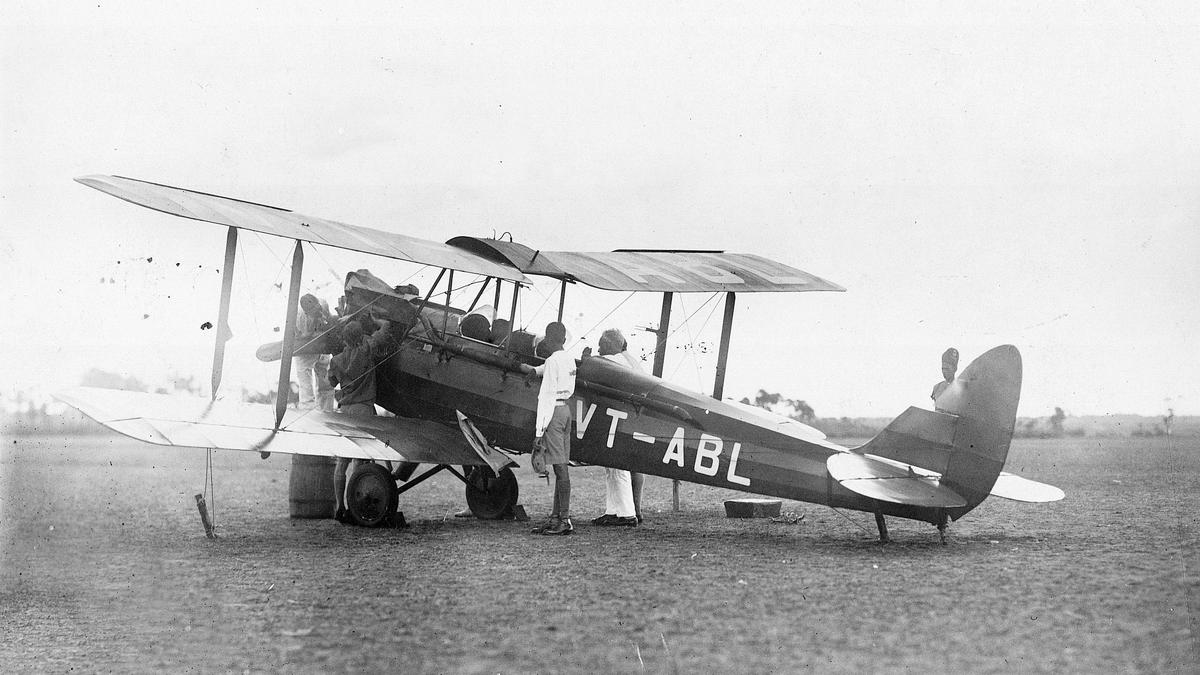
Aviation history in Madras began with D'Angelis' maiden flight in 1910, marking the start of the city's journey into the skies. This initial flight set the stage for a series of remarkable aerial achievements that would define Madras as a center of aviation innovation during the early decades of the twentieth century.
The city's aviation credentials were further established through several record-setting ventures. A de-Havilland Dove completed a grueling 27-hour flight from London to Madras, demonstrating the growing feasibility of long-distance air travel. The aircraft's night landing proved particularly challenging, with pilots reportedly left shaken by the demanding approach and touchdown in darkness.
As aviation infrastructure developed, Madras became home to ambitious commercial ventures. Air taxi services emerged to connect the city with distant destinations, with some operators extending routes as far as Burma. These services reflected growing confidence in aviation's commercial potential and the city's strategic position in South Asian air networks.
Private enterprise played a significant role in shaping Madras' aviation landscape. Notable figures like Alagappa Chettiar ventured into airline operations, establishing Jupiter Airways as a testament to local entrepreneurial ambitions. These ventures, while operating in aviation's earliest commercial period, demonstrated Madras' importance as an emerging air transportation hub in India.