Politics · India Bureau
How Beijing transformed its toxic air into a pollution success story
Once choked by dangerous smog that obscured city skylines, Beijing has achieved dramatic improvements in air quality over the past decade through aggressive environmental controls. The Chinese capital's experience offers lessons for severely polluted cities across South Asia.
LSN India ·
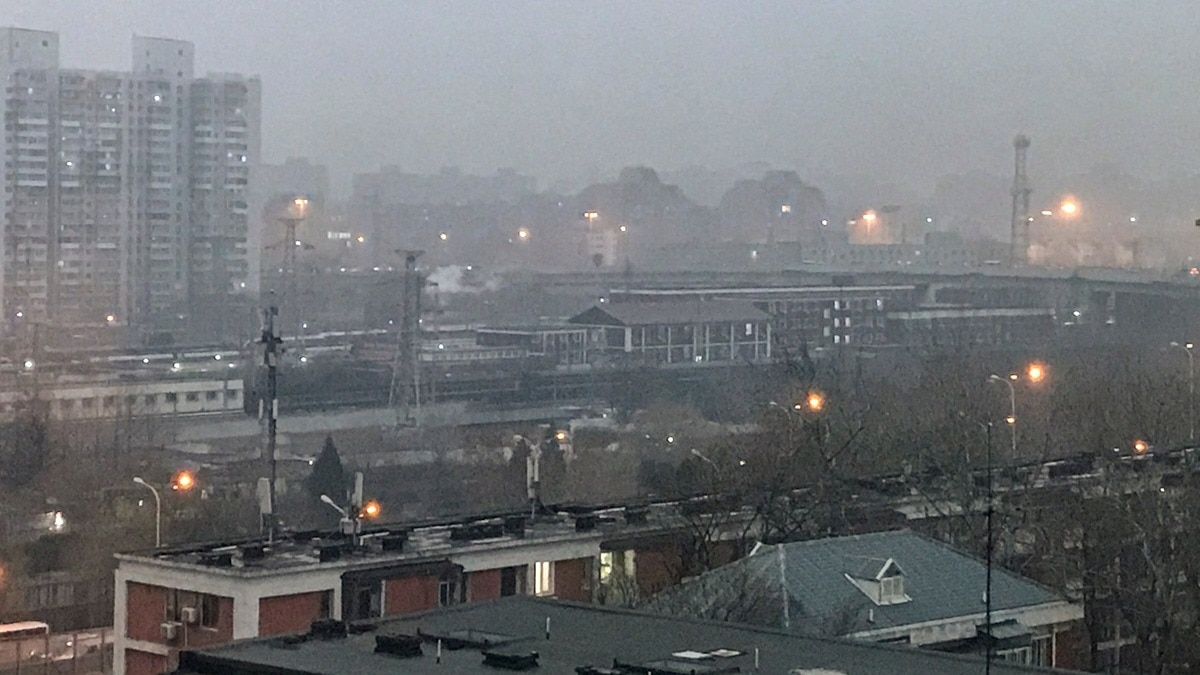
Beijing's air quality crisis was once so severe that residents experienced breathing difficulties and eye irritation comparable to conditions in Delhi today. Winter months saw pollution levels regularly exceed hazardous thresholds, with visibility so poor that tall buildings disappeared behind thick haze. The situation prompted Chinese authorities to launch a comprehensive anti-pollution campaign beginning in 2013.
The initiative targeted multiple sources of contamination simultaneously. Coal consumption was sharply reduced, vehicle emissions were tightened through stricter standards, and industrial facilities faced stringent operational restrictions. Manufacturing plants were relocated or shuttered, while heating systems were converted from coal to cleaner energy sources.
The results have been measurable. Within a decade, Beijing achieved a reduction of more than fifty percent in PM 2.5 levels—the fine particulate matter most hazardous to human health. While challenges remain, the capital's transformation demonstrates that severe air pollution need not be permanent, provided governments commit sufficient resources and enforce regulations consistently across all economic sectors.
The Beijing model has attracted international attention from policymakers in other Asian cities battling similar air quality crises. Experts note, however, that success requires sustained political will, substantial investment in alternative energy infrastructure, and willingness to impose short-term economic costs for long-term public health gains.