World · India Bureau
How Bhuj earthquake reshaped Gujarat politics and Modi's rise
The devastating 2001 earthquake in Bhuj became a turning point in Narendra Modi's political career, propelling him toward the chief minister's office. His response to the disaster and subsequent reconstruction efforts became defining moments in his political trajectory.
LSN India ·
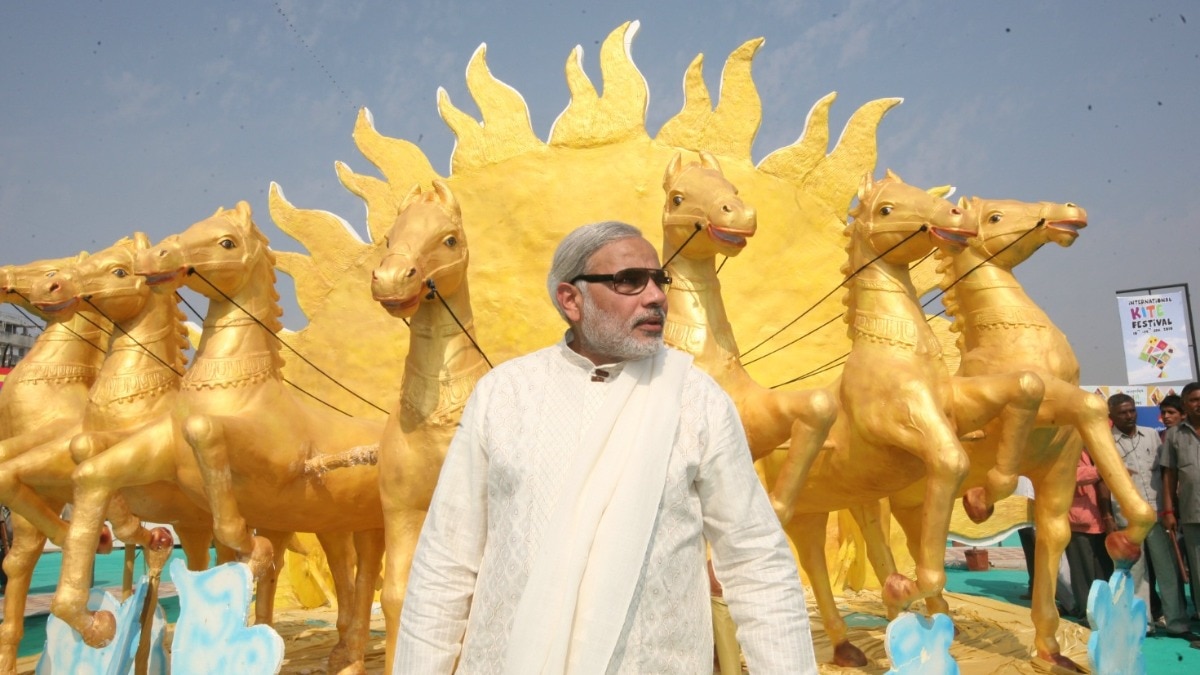
The 7.7 magnitude earthquake that struck Bhuj in Gujarat on January 26, 2001, claimed thousands of lives and left the state reeling from massive destruction. However, the disaster would prove to be a critical inflection point in state politics, fundamentally altering the career path of a relatively junior political figure at the time.
Narendra Modi, who was serving as BJP president in Gujarat when the earthquake struck, took charge of relief and rehabilitation efforts. His visible presence during the crisis and subsequent reconstruction work garnered significant media attention and public visibility. The disaster management response, though controversial in some quarters, positioned him as a decisive leader capable of handling major crises.
Following the earthquake, Modi's political fortunes improved considerably within Gujarat's BJP hierarchy. His handling of the disaster relief translated into growing support within the party and among sections of the electorate. This momentum contributed to his elevation as chief minister in 2001, a position he would retain and strengthen over subsequent years.
Political analysts have since noted that the earthquake and Modi's response created a narrative of decisive leadership that became central to his political brand. The reconstruction process in Bhuj and surrounding areas continued for years, keeping his administration in the public eye and reinforcing the image of an activist chief minister focused on development and infrastructure projects.