World · India Bureau
How birds stay safely perched while sleeping in trees
Birds possess remarkable evolutionary adaptations that enable them to sleep securely on tree branches without falling. These specialized physical mechanisms maintain their grip and balance even as branches sway in the wind.
LSN India ·
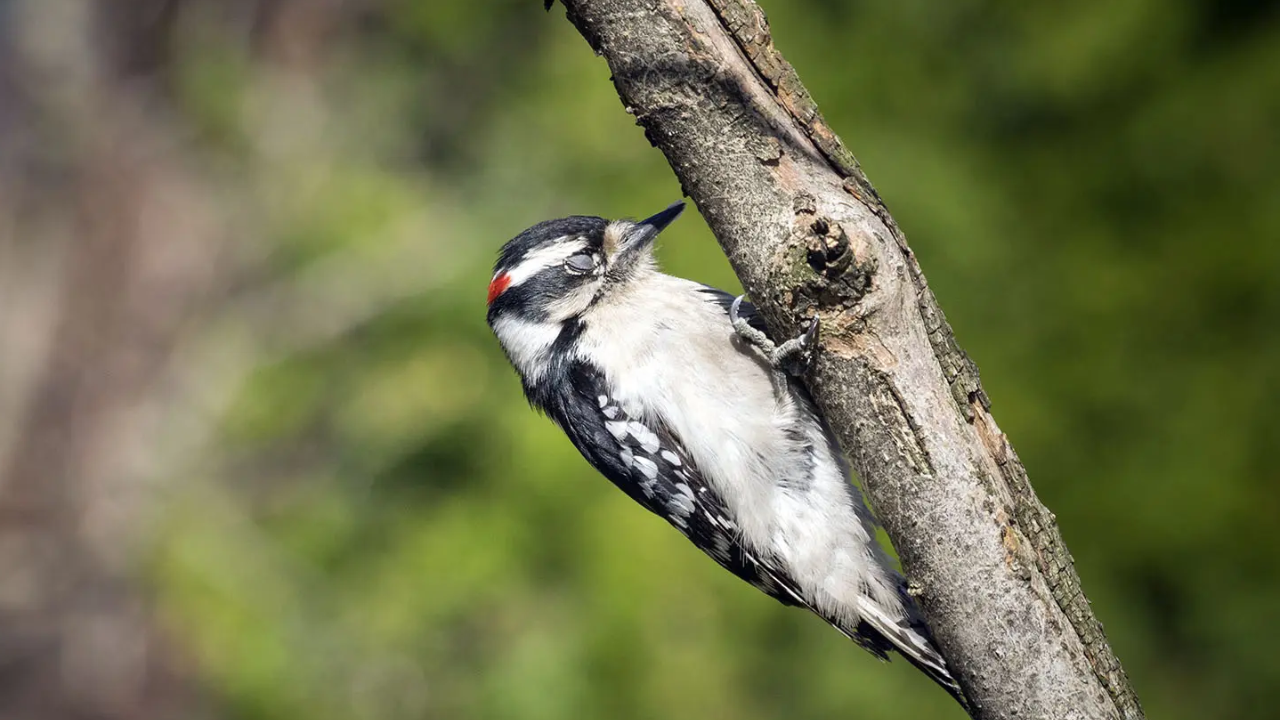
One of nature's most ingenious survival mechanisms allows birds to remain safely anchored to tree branches while sleeping, despite the constant movement and swaying of their perches. Scientists have identified a series of specialized anatomical features that work in concert to provide this remarkable stability.
The primary adaptation involves a sophisticated system of tendons and leg structures that automatically lock a bird's feet into a secure grip when their legs bend. This mechanism functions almost like a biological latch, requiring minimal muscular effort to maintain. When a bird crouches or bends its legs to settle onto a branch, the tendons automatically tighten, creating a vice-like grip that persists even as the bird enters sleep and its conscious control diminishes.
Beyond this tendon-based locking system, birds have evolved specialized foot shapes and weight distribution patterns that enhance their perching stability. Their feet are naturally designed to wrap around cylindrical objects like branches, with each digit contributing to overall grip strength. The curved shape of their claws provides additional purchase against the bark or surface of the branch.
Additional behavioral adaptations further contribute to sleeping safety. Many bird species rest on a single leg while sleeping, a practice that serves dual purposes: it conserves body heat during cooler periods and allows them to maintain heightened alertness by keeping one side of their body partially active. This energy-conservation strategy is particularly valuable for smaller birds during winter months.
These evolutionary innovations demonstrate how natural selection has equipped birds with multiple overlapping safety systems, ensuring that sleep poses no risk to their survival in arboreal environments.