Politics · India Bureau
How Colonial-Era Government Farm Shaped Chennai's Urban Landscape
Once spanning 300 acres in what is now the Guindy-Saidapet region, Government Farm was established in 1865 on the initiative of Governor Sir William Denison. The enclosed agricultural estate has since transformed into a defining feature of modern Chennai's urban geography.
LSN India ·
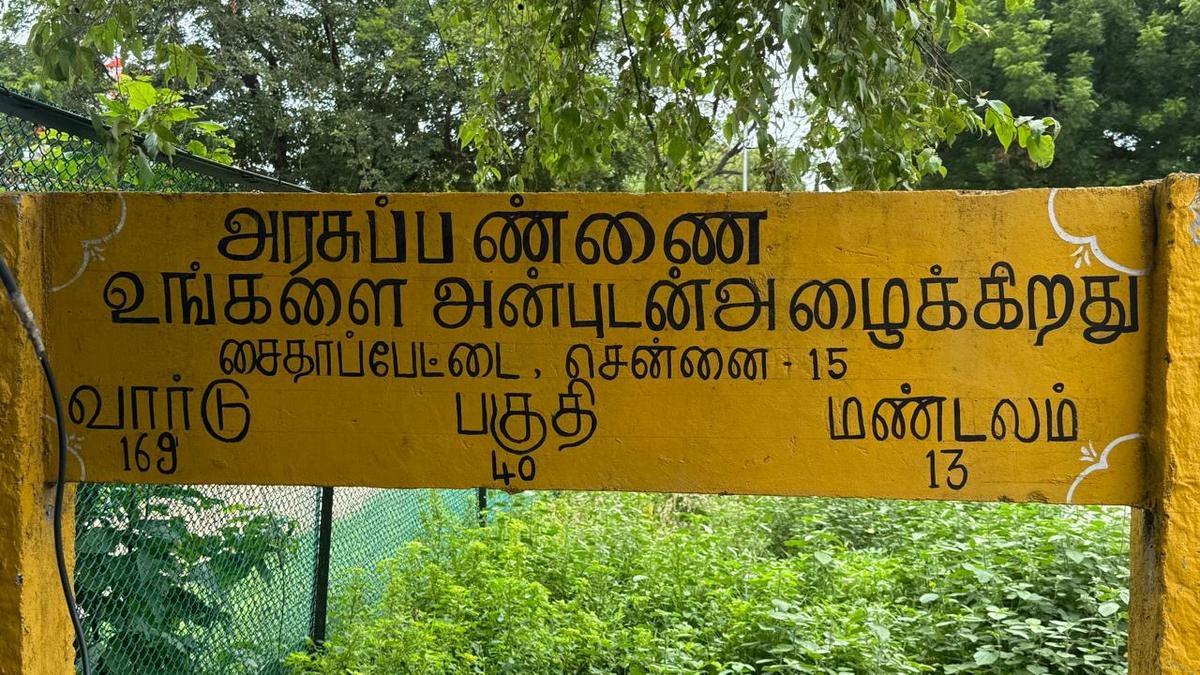
Government Farm, nestled in the Guindy and Saidapet localities of Chennai, represents a significant chapter in the city's colonial heritage. Conceived by Governor Sir William Denison, the sprawling estate was formally established in 1865 as an agricultural initiative during the British Raj. At its peak, the farm commanded approximately 300 acres of land, enclosed by a perimeter fence that clearly demarcated its boundaries from surrounding settlements.
The establishment of Government Farm reflected the colonial administration's broader agenda of introducing modern agricultural practices and infrastructure to India. As an experimental and productive facility, the farm served multiple functions, from cultivating crops to conducting agricultural research that would inform farming practices across the Madras Presidency.
Over the past century and a half, Government Farm has undergone significant transformation as urbanization swept through Chennai. The once-vast agricultural expanse has been progressively absorbed into the city's expanding residential and commercial zones. Today, the Guindy-Saidapet region bears little resemblance to the fenced agricultural estate of the 1860s, though remnants of its historical significance persist in local place names and institutional landmarks.
The evolution of Government Farm exemplifies the broader pattern of colonial-era infrastructure being reshaped by urban development across major Indian cities. What was once envisioned as a model agricultural estate has become emblematic of Chennai's rapid modernization and demographic growth, serving as a tangible link to the city's colonial past.