World · India Bureau
How Cyclones Get Their Names: A Look at India's System
As Cyclone Arnab approaches the Indian coastline, officials use a standardized naming protocol developed by regional meteorological bodies. The system, based on rotating lists and wind speed criteria, ensures consistency in tropical cyclone identification across South Asia.
LSN India ·
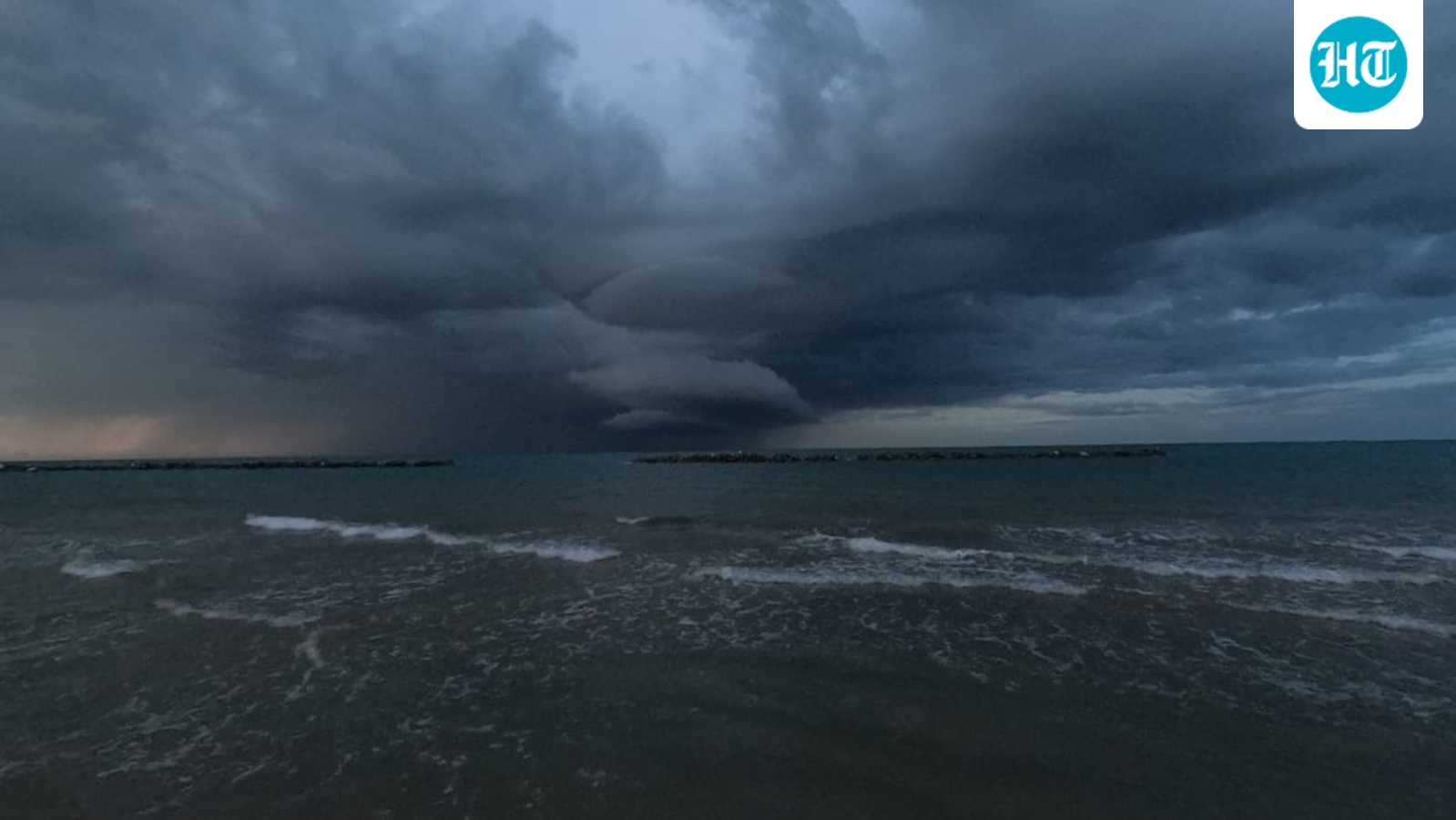
Tropical cyclones affecting India are named through a carefully managed process overseen by the India Meteorological Department (IMD) and regional weather agencies. Unlike the Atlantic hurricane naming system, which cycles through alphabetical lists, the Indian Ocean region employs a rotating roster of names contributed by member nations of the World Meteorological Organization's regional association. Each participating country submits suggested names that reflect their culture and language, creating a diverse pool from which cyclones are drawn sequentially.
The naming protocol activates once a tropical system reaches specific wind speed thresholds established by meteorological standards. According to IMD classifications, a depression becomes a cyclonic storm when sustained winds reach 63 kilometers per hour, at which point it receives an official name from the designated list. This standardized approach enables consistent communication between weather agencies, emergency management authorities, and the public during severe weather events.
The rotation system ensures that naming responsibility and recognition are distributed equitably among nations in the region. Names are retired if a cyclone causes significant damage or loss of life, similar to protocols used in other ocean basins. This practice honors the impact of major storms while maintaining clarity in historical weather records and long-term climate analysis.
For India, the naming system represents an important tool in disaster preparedness and public communication. Clear, consistent naming helps residents understand warnings and take timely protective action. As climate patterns continue to evolve, meteorologists rely on these standardized protocols to track and study cyclonic behavior across the Indian Ocean region, contributing to improved forecasting and risk assessment capabilities.