World · Malaysia Bureau
How Deepavali won public holiday status over Thaipusam in 1914
A century-old rivalry between two major Hindu festivals shaped Singapore's religious observance calendar. In 1914, Deepavali secured official public holiday recognition while Thaipusam was left behind, a decision driven largely by the influence of English-educated elites and the merchant community.
LSN Malaysia ·
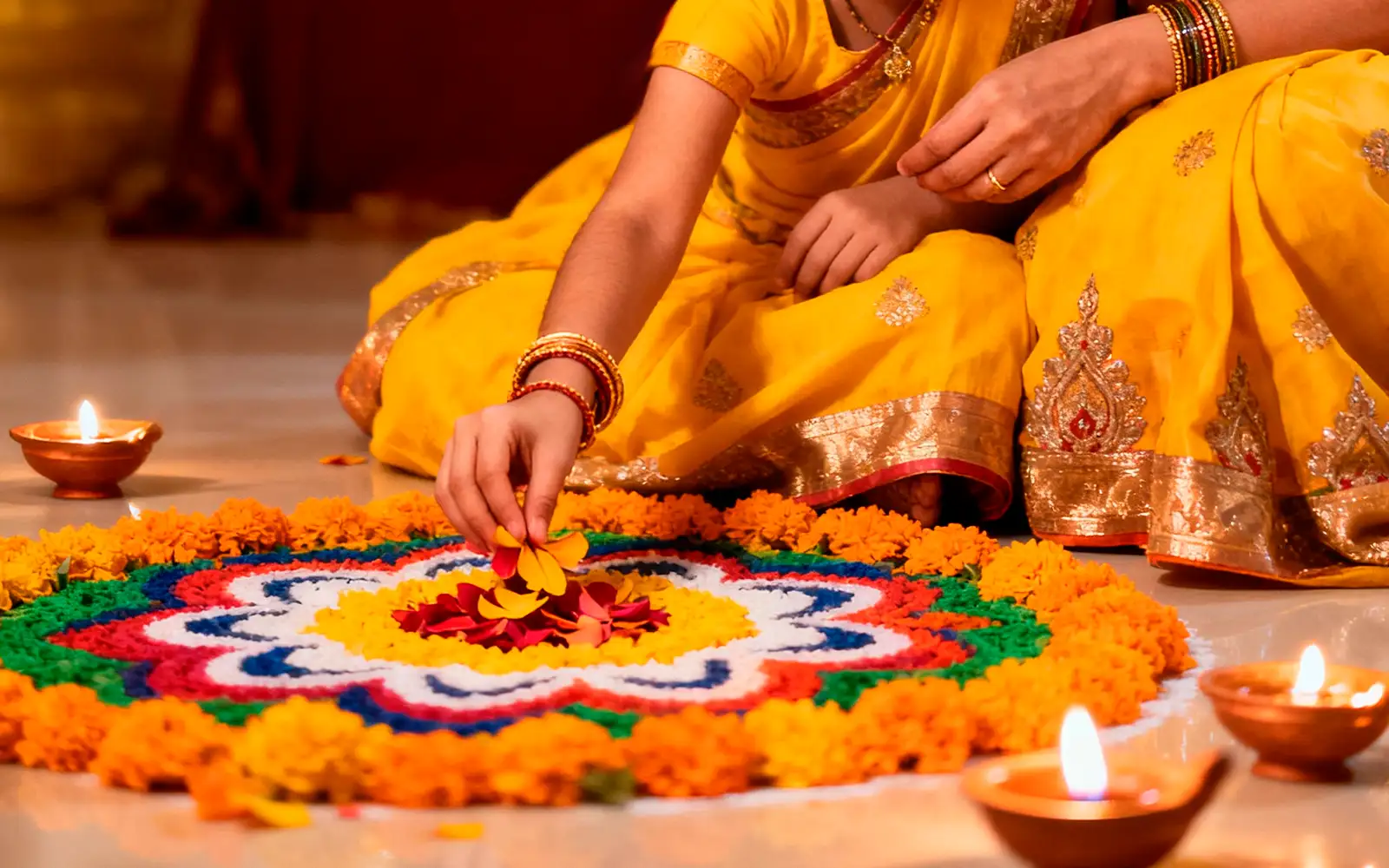
The early 20th century saw a significant contest within Singapore's Hindu community over which festival should receive official public holiday status. Both Thaipusam and Deepavali held deep cultural significance for Hindu residents, yet only one could gain the coveted designation of a gazetted public holiday in the colonial territory.
Deepavali ultimately emerged victorious in this struggle for official recognition. The festival of lights benefited from a sustained advocacy campaign led by Singapore's English-speaking Hindu elite and prominent merchant classes, who wielded considerable influence over colonial administrative decisions. Their concerted efforts to champion Deepavali's cause proved decisive in securing its elevation to public holiday status.
The outcome reflected the broader dynamics of colonial society, where English-educated professionals and business leaders held disproportionate sway in shaping public policy. Their preference for Deepavali over Thaipusam, the festival marking Lord Murugan's victory over evil, would establish a pattern of religious observance that persisted for generations.
While Thaipusam remained an important religious celebration for the Hindu community, the 1914 decision meant Deepavali alone received formal government recognition and associated workplace closures. The historical episode offers insight into how communal hierarchies and elite influence shaped the religious landscape of colonial and post-colonial Singapore.