World · India Bureau
How Delhi replaced Kolkata as British India's capital in 1911
The British relocation of India's administrative seat from Kolkata to Delhi in 1911 was driven by strategic considerations spanning geography, history and political control. The move reflected colonial reassessment of power consolidation across the subcontinent.
LSN India ·
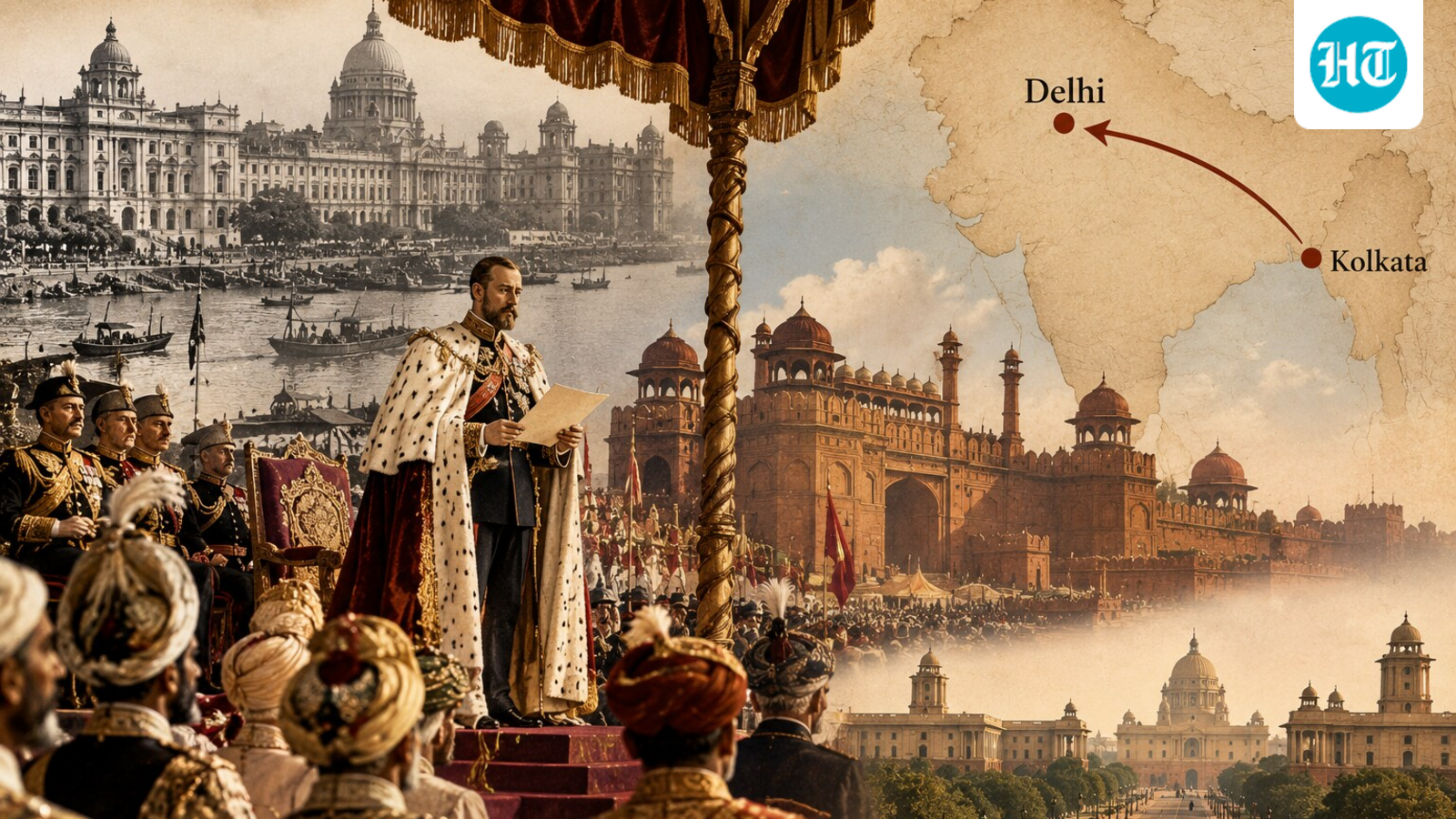
The decision to shift British India's capital from Kolkata to Delhi marked a pivotal moment in the subcontinent's colonial history. After nearly 150 years as the seat of British administrative power, Kolkata's primacy was challenged by emerging geopolitical and practical considerations that favored a more centrally located capital.
Delhi's geographic positioning offered distinct advantages for governing the vast Indian subcontinent. Located in the north-central plains, the city provided better accessibility to distant provinces and facilitated more efficient administrative coordination. The colonial administration recognized that Kolkata's eastern location limited its effectiveness in overseeing territories across the breadth of India, particularly the northwestern regions and expanding frontier areas.
Beyond geography, Delhi's historical significance as a former seat of power carried symbolic weight for British colonial strategy. The city had served as capital to multiple imperial dynasties throughout Indian history, and occupying this hallowed ground allowed the British Raj to position itself within the continuum of Indian statecraft. This symbolism reinforced colonial authority and projected permanence to their rule.
Political considerations also influenced the decision. Growing nationalist sentiment in Kolkata, increasingly perceived as a hotbed of anti-colonial agitation, made it a less stable administrative center. Relocating to Delhi provided an opportunity to distance the seat of power from concentrations of political resistance while establishing fresh institutional foundations in a city being reshaped according to imperial urban planning principles.
The relocation culminated in an elaborate durbar ceremony in December 1911, where King George V formally announced the transfer. The subsequent construction of New Delhi by architects Edwin Lutyens and Herbert Baker reflected the grandiose architectural vision underpinning this consolidation of British imperial control over India.