World · India Bureau
How emergency chain signals travel from train coaches to driver
Indian Railways' emergency chain system allows passengers to alert drivers from any coach. The mechanism involves a pneumatic signal that transmits through the train's braking system to notify the driver of an emergency stop requirement.
LSN India ·
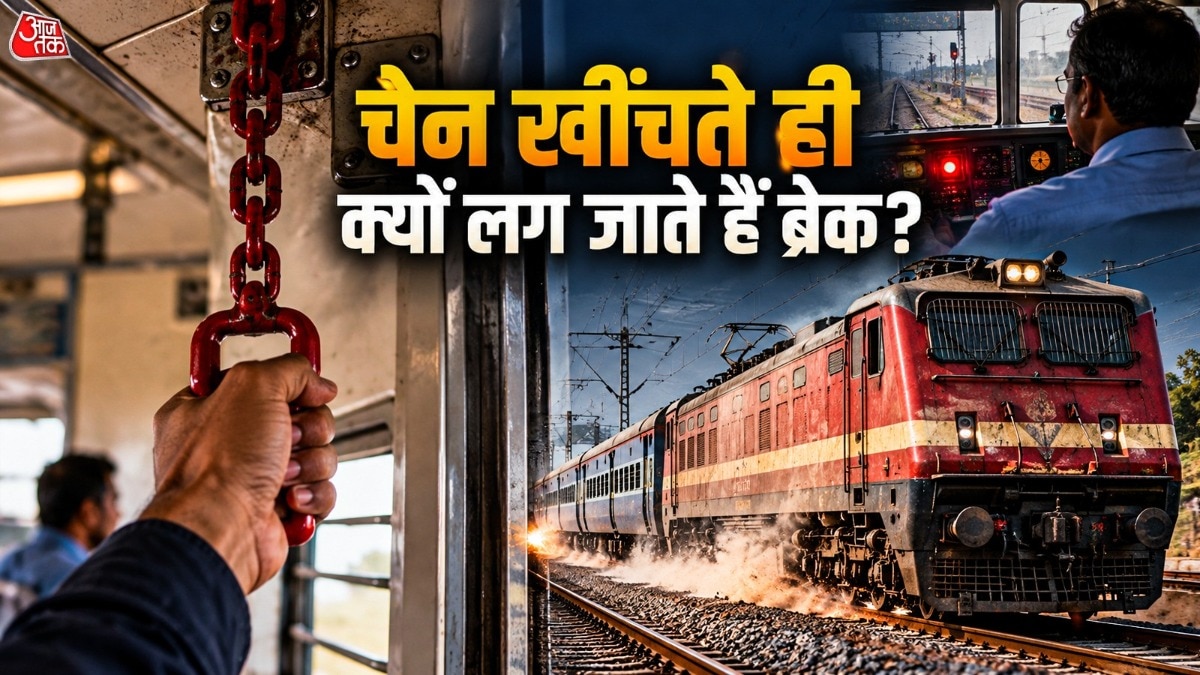
When a passenger pulls the emergency chain inside a moving train, a pneumatic signal is generated that travels through the train's brake pipe system to reach the locomotive. The signal operates through compressed air technology integrated into Indian Railways' standardized braking apparatus, enabling communication across all coaches regardless of distance from the engine.
The driver receives the alert but the train does not stop instantaneously. Modern braking systems are designed to gradually decelerate the train to prevent passenger injury and derailment risk. The delay between signal transmission and complete halt typically ranges from several seconds to a minute, depending on the train's speed and brake condition at the time of activation.
Once the emergency chain is pulled, railway personnel can identify which coach initiated the signal through the brake system's mechanical indicators. These indicators record pressure changes in the brake pipe, allowing trained staff to pinpoint the exact location of the chain pull. This information helps railway authorities investigate the cause of the emergency stop and respond appropriately to any passenger distress.
Indian Railways strictly regulates emergency chain usage, imposing penalties for misuse as the system is intended solely for genuine safety emergencies. Unauthorized chain pulling can result in fines and legal action, as frivolous activation delays trains and disrupts schedules for thousands of passengers.