World · India Bureau
How Five Escaped Swans Became Environmental Threat in American Bay
An accidental release of mute swans from a Maryland estate in 1962 spiralled into an ecological crisis, with their descendants now numbering nearly 4,000 in the Chesapeake Bay. The invasive birds are wreaking havoc on the region's ecosystem by consuming vast quantities of underwater vegetation and displacing native species.
LSN India ·
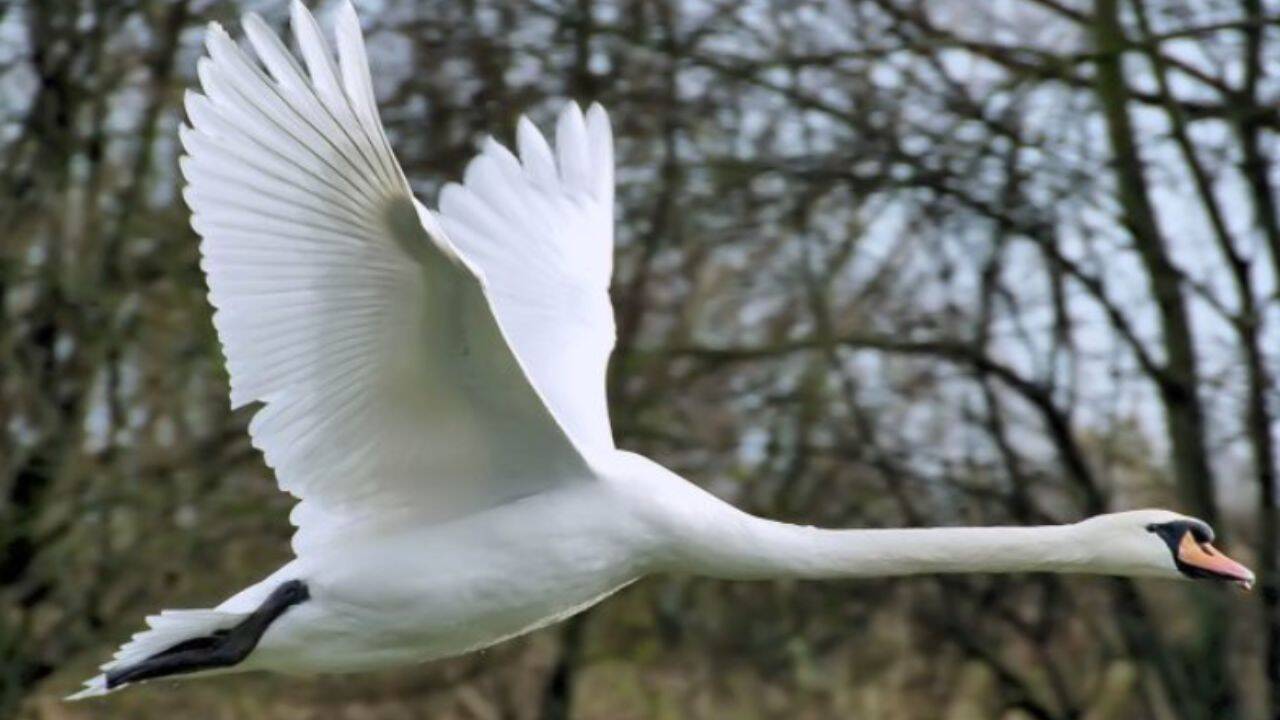
What began as a minor incident at a Maryland estate six decades ago has transformed into a significant environmental challenge for one of North America's most important waterways. Five mute swans that escaped captivity in 1962 found ideal conditions in the Chesapeake Bay, multiplying rapidly to reach approximately 4,000 birds within four decades.
The prolific population growth has alarmed wildlife managers and conservation authorities in the region. Each swan consumes substantial quantities of submerged aquatic vegetation daily, degrading critical habitat that supports the Bay's complex ecosystem. The birds also pose a direct threat to native waterfowl species, which have been displaced as the invasive mute swans expand their territorial control.
Mute swans, native to Europe and Asia, are large, aggressive birds well-suited to establishing themselves in new environments. Once established in the Chesapeake Bay, they faced minimal natural predators and abundant food sources, conditions that allowed their population to flourish unchecked. Scientists and environmental officials have linked their presence to broader ecological imbalances, including declining populations of native bird species and degraded water quality.
The situation illustrates how unintended animal releases can cascade into major ecological problems. The Chesapeake Bay, already facing pressures from pollution and habitat loss, must now contend with the additional stress posed by the invasive swan population. Managing the growing mute swan numbers remains a complex challenge for regional environmental agencies.