World · India Bureau
How Google Maps Detects Traffic Jams Across India's Roads
Google Maps uses smartphone location data, GPS signals, and artificial intelligence to identify traffic congestion in real time, enabling the app to guide users away from gridlocked routes. The technology processes vehicle speed patterns across thousands of devices simultaneously to deliver accurate alternative directions.
LSN India ·
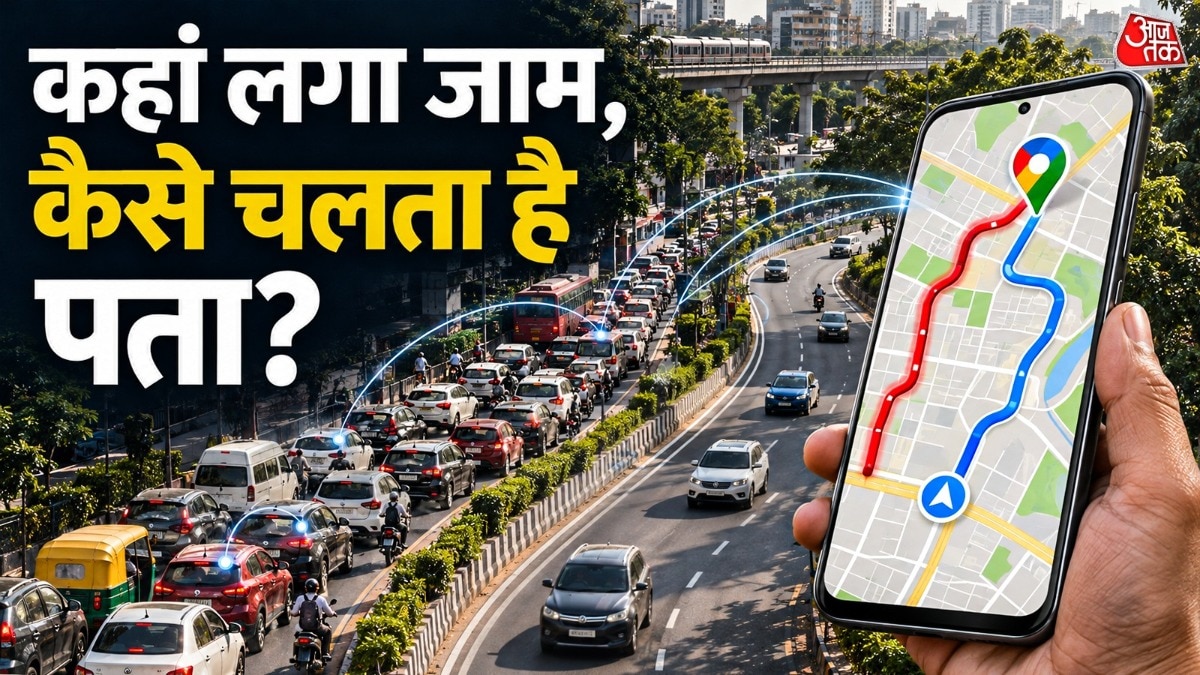
Google Maps' ability to pinpoint traffic bottlenecks relies on a sophisticated data-collection system that taps into millions of smartphones across Indian cities and highways. The application continuously monitors location information from Android devices and iPhones running Google services, tracking how quickly vehicles are moving through specific road segments. When traffic slows significantly below normal speeds, the system flags the area as congested.
The core mechanism operates through GPS technology and location services embedded in smartphones. As drivers navigate with Google Maps active, their devices transmit anonymized speed data back to Google's servers. This crowdsourced information reveals traffic patterns in real time—when numerous vehicles slow down on a particular route, the algorithm detects congestion immediately. The system also incorporates historical data, allowing it to distinguish between temporary slowdowns and sustained traffic jams.
Artificial intelligence plays a crucial role in processing this vast stream of data and predicting traffic trends. Machine learning models analyze patterns across hours, days, and seasons to understand typical congestion points during peak travel times. This enables Google Maps to not only identify current jams but also forecast likely delays before they fully develop, offering proactive route suggestions to commuters.
Once congestion is detected, Google Maps' algorithm calculates alternative routes and presents drivers with options to avoid traffic. The app displays estimated travel times for different paths, helping users make informed decisions about their journeys. This real-time guidance system has become increasingly valuable for Indian commuters navigating congested urban centers and highways, reducing travel times and fuel consumption while improving overall traffic flow across cities.