World · India Bureau
How India's Electoral Rolls Are Built, Modified and Protected
Electoral law prescribes detailed procedures for adding, removing and correcting names on voter lists. The framework balances administrative efficiency with voter protection through multiple safeguards and objection mechanisms.
LSN India ·
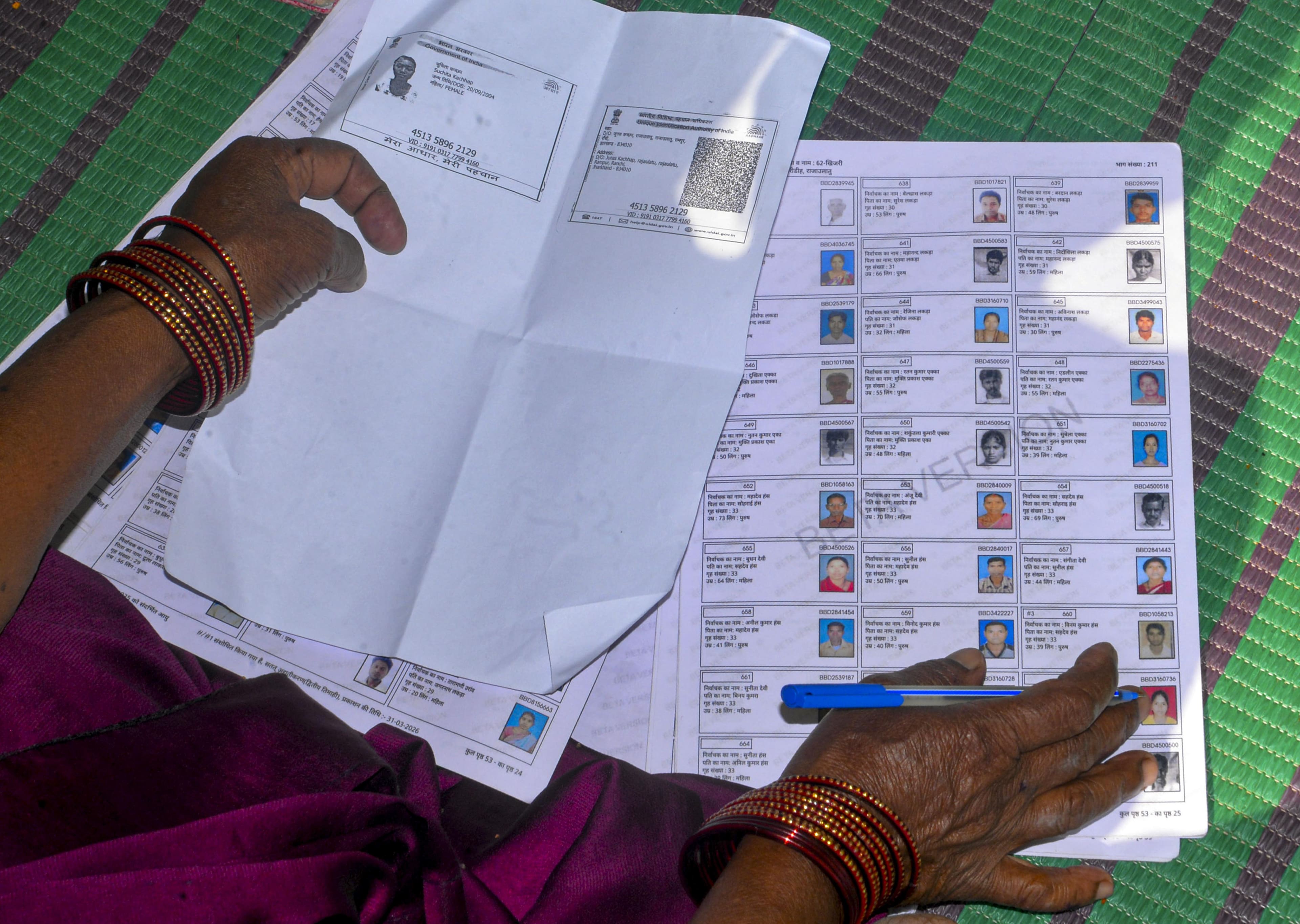
India's electoral rolls are dynamic documents, constantly updated through a regulated process that governs how names enter, leave and are corrected on the voter registers. The Election Commission oversees these procedures through comprehensive legal frameworks designed to maintain accuracy while preventing arbitrary deletions that could disenfranchise eligible citizens.
The process begins with voter registration, where eligible citizens apply for inclusion on electoral rolls. Voter enrollment typically occurs during designated periods when election officials conduct door-to-door surveys to identify qualified voters. Citizens can also file applications independently, providing proof of citizenship, age and residency requirements. Each application undergoes scrutiny before approval, ensuring that only those meeting constitutional criteria are added to the rolls.
Electoral law also establishes procedures for challenging entries on voter lists. Citizens can file objections against names they believe should not appear on registers, citing reasons such as death, migration or ineligibility. These objections trigger formal investigation processes. Election authorities must examine supporting documentation and may hold hearings before making determinations. The objection mechanism serves as a check against fraudulent registrations while requiring evidence before any removal.
Removals from voter lists follow similarly structured protocols. Names may be deleted due to death, relocation outside the constituency, or loss of citizenship. However, the rules include safeguards: deletion notices typically inform affected voters and provide opportunity to respond. This prevents wrongful removal from voter rolls, a concern election authorities monitor closely to protect voting rights.
Correction of existing entries—whether addressing spelling errors, address updates or other modifications—follow distinct procedures that often involve less stringent requirements than deletions. These administrative corrections help maintain accurate rolls without triggering the heightened protections applied to removal cases. Together, these frameworks aim to balance electoral administration with voter security.