World · India Bureau
How Indian royalty stayed warm in harsh winters before modern heating
Before electricity and heating appliances became commonplace, Indian kingdoms employed ingenious architectural and practical methods to combat severe winter cold. Historical heating techniques reveal the ingenuity of pre-modern palatial design and daily life.
LSN India ·
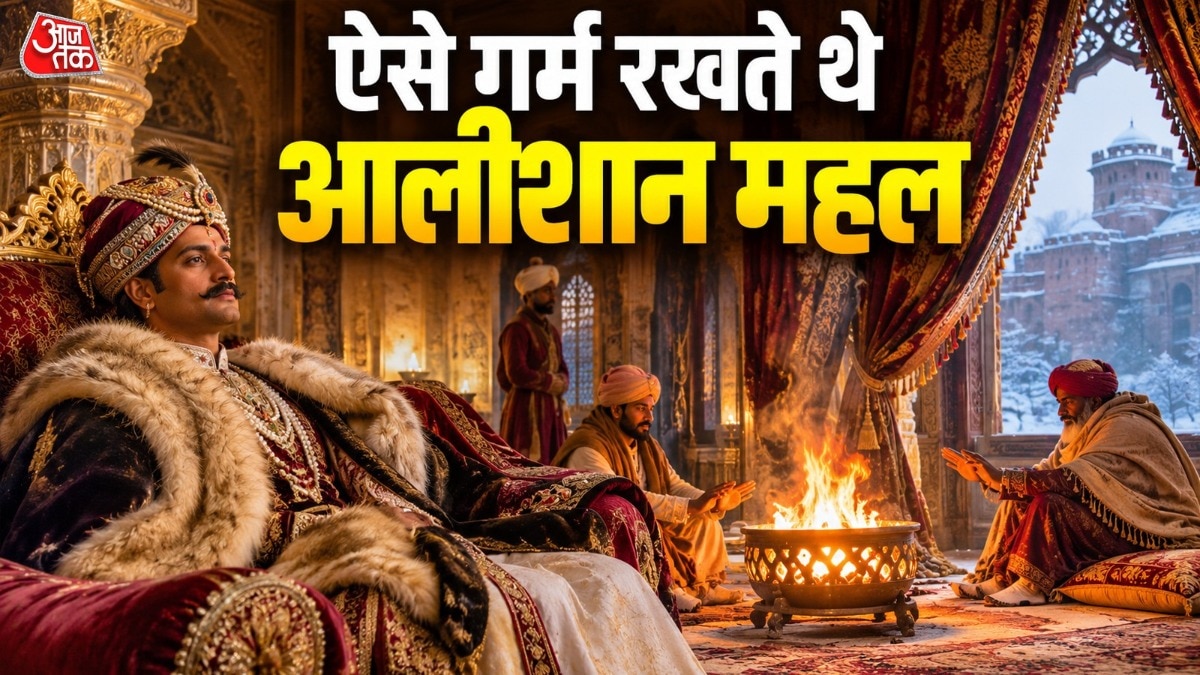
Centuries before electric heaters and air conditioning systems became household staples, Indian royalty devised remarkably effective strategies to maintain warmth during bitter winter months. These methods combined architectural innovation with practical everyday solutions that proved surprisingly efficient in managing temperature within palatial structures.
One of the most common heating devices in royal households was the angithi—a portable brazier that burned charcoal or wood to generate heat. These were strategically placed in rooms and moved as needed, allowing residents to maintain comfort without heating entire structures. The angithi remains in use across South Asia today, testament to its enduring effectiveness.
Architectural design played a crucial role in thermal management within royal palaces. Thick stone walls, small windows, and carefully planned ventilation systems helped retain heat naturally. Corridors and interconnected chambers were designed to trap warm air, while strategic placement of courtyards and enclosed spaces provided additional insulation. Many palaces featured separate winter quarters with lower ceilings and smaller rooms that could be heated more efficiently.
Royalty also relied on layered textile solutions to combat the cold. Heavy tapestries and thick curtains hung throughout palaces not merely for decoration but as functional insulators. Ornate carpets and rugs covered stone floors, providing insulation and comfort underfoot. Multiple layers of rich, wool-based clothing and furs formed part of daily winter attire, while bedding was specially prepared with additional quilts and blankets.
These traditional heating and insulation methods demonstrate how historical societies developed sophisticated solutions to environmental challenges using available materials and architectural expertise, establishing practices that influenced home design for generations.