Politics · India Bureau
How International Law Is Reshaping Modern Nation States
Scholars and legal experts are increasingly examining how international law frameworks are fundamentally transforming the traditional concept of nation-state sovereignty. The evolving relationship between domestic governance and global legal structures raises critical questions about state power and autonomy.
LSN India ·
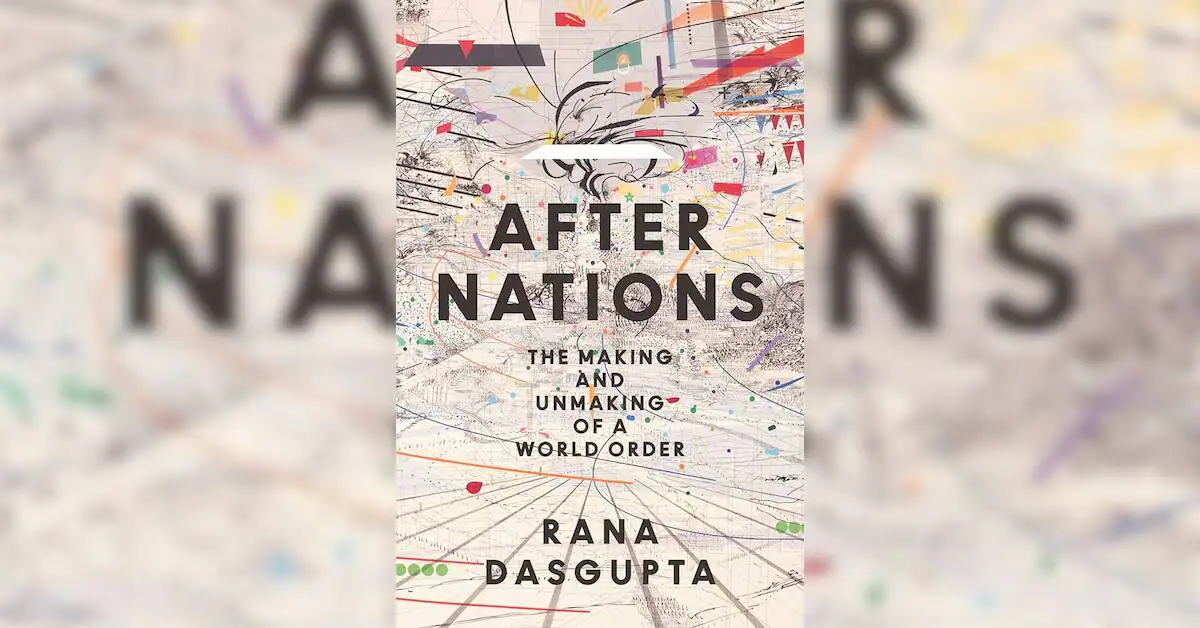
The architecture of the modern nation-state, long considered the bedrock of global political organization, is undergoing significant transformation through the expansion of international legal frameworks. Legal scholars argue that the proliferation of international agreements, treaties, and supranational institutions is gradually eroding the traditional boundaries of state sovereignty that have defined the international system for centuries.
International law has evolved from a largely advisory mechanism into a binding force that increasingly constrains how individual nations exercise authority within their borders. Trade agreements, human rights conventions, environmental treaties, and security commitments now impose obligations that member states must incorporate into their domestic legal systems, effectively reducing the absolute power that nations once wielded unilaterally.
This shift has profound implications for how states govern their populations and manage their resources. Countries must now reconcile domestic priorities with international obligations, creating tensions between national interest and global responsibilities. The balance of power has gradually shifted, with non-state actors and international bodies playing increasingly prominent roles in matters traditionally reserved for governments.
Experts note that this transformation is neither uniform nor universally accepted. While some nations embrace international legal frameworks as necessary for global cooperation and stability, others view them as infringements on national sovereignty. The ongoing debate reflects a fundamental challenge for the 21st century: determining how nation-states can maintain autonomy while functioning within an interconnected world governed by shared legal principles and institutions.