Politics · India Bureau
How Introduced Rabbits Nearly Destroyed Hawaii's Unique Bird Species
A German immigrant's decision to release rabbits on Hawaii's Laysan Island in 1903 triggered an ecological disaster that wiped out multiple endemic bird species within years. The resulting conservation crisis prompted early U.S. federal intervention to protect Hawaii's wildlife.
LSN India ·
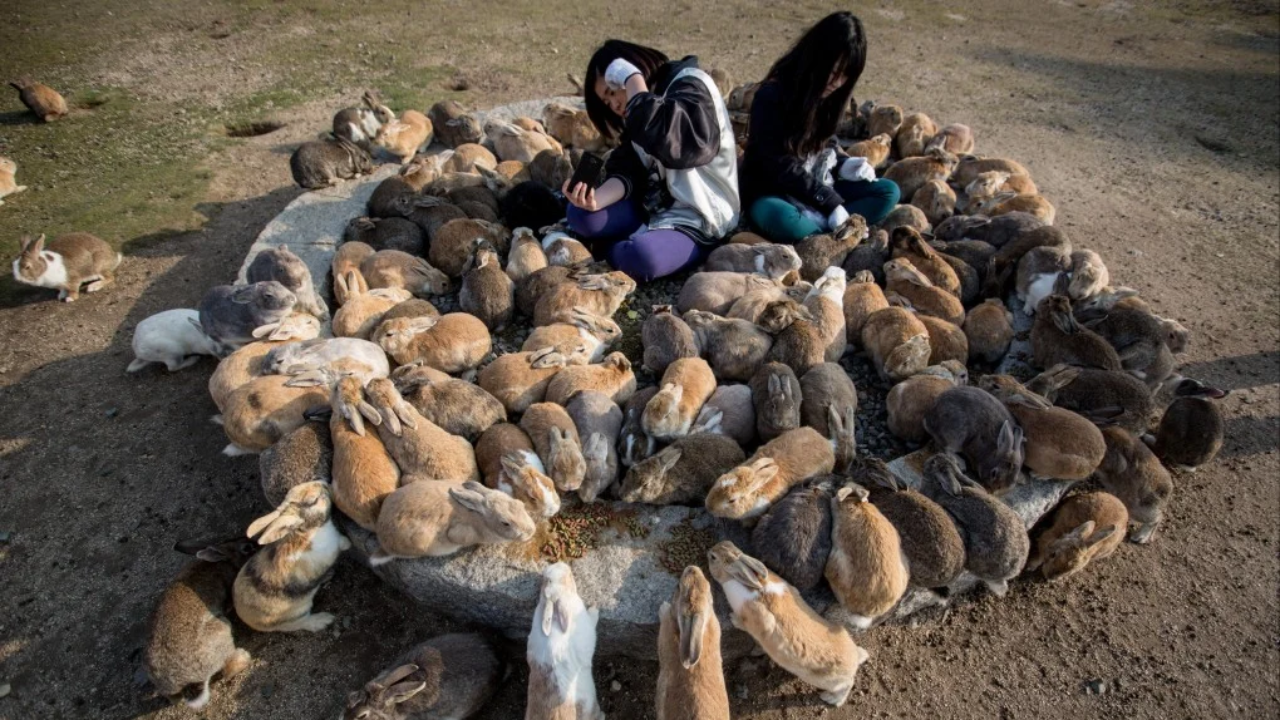
German businessman Max Schlemmer introduced rabbits to Laysan Island in 1903 with intentions of establishing a commercial venture and recreational hunting ground. The lagoon island, located in the northwestern Hawaiian archipelago, was then home to several bird species found nowhere else on Earth. However, the rapidly breeding rabbit population quickly spiralled beyond Schlemmer's control, transforming the island's ecosystem.
Within a decade of their introduction, the voracious rabbits had consumed vast swathes of the island's native vegetation, destroying the habitat that sustained the island's endemic wildlife. The ecological collapse resulted in the extinction of three unique landbird species that had evolved in isolation on the island. The environmental catastrophe prompted urgent federal action to salvage Hawaii's natural heritage.
In response to the biological crisis, President Theodore Roosevelt established the Hawaiian Islands Bird Reservation to protect the remaining avian species and habitat across the islands. Federal authorities subsequently removed Schlemmer from the island and launched an eradication campaign against the invasive rabbit population, successfully eliminating them by 1923. The intervention marked one of the earliest examples of large-scale wildlife conservation efforts in the United States.
Following the rabbit eradication, conservation efforts have focused on habitat restoration and species recovery on Laysan Island. Restoration programmes have worked to rehabilitate the damaged ecosystem and, where possible, reintroduce native species to the island. The historical episode remains a cautionary tale about the unintended consequences of introducing non-native species to fragile island ecosystems.