World · India Bureau
How invasive foxes nearly wiped out California's rare rail bird
The arrival of red foxes in California during the 1800s triggered an ecological crisis, pushing one of North America's rarest bird species to the brink of extinction. Conservation efforts have since become critical to saving the endangered rail from disappearing entirely.
LSN India ·
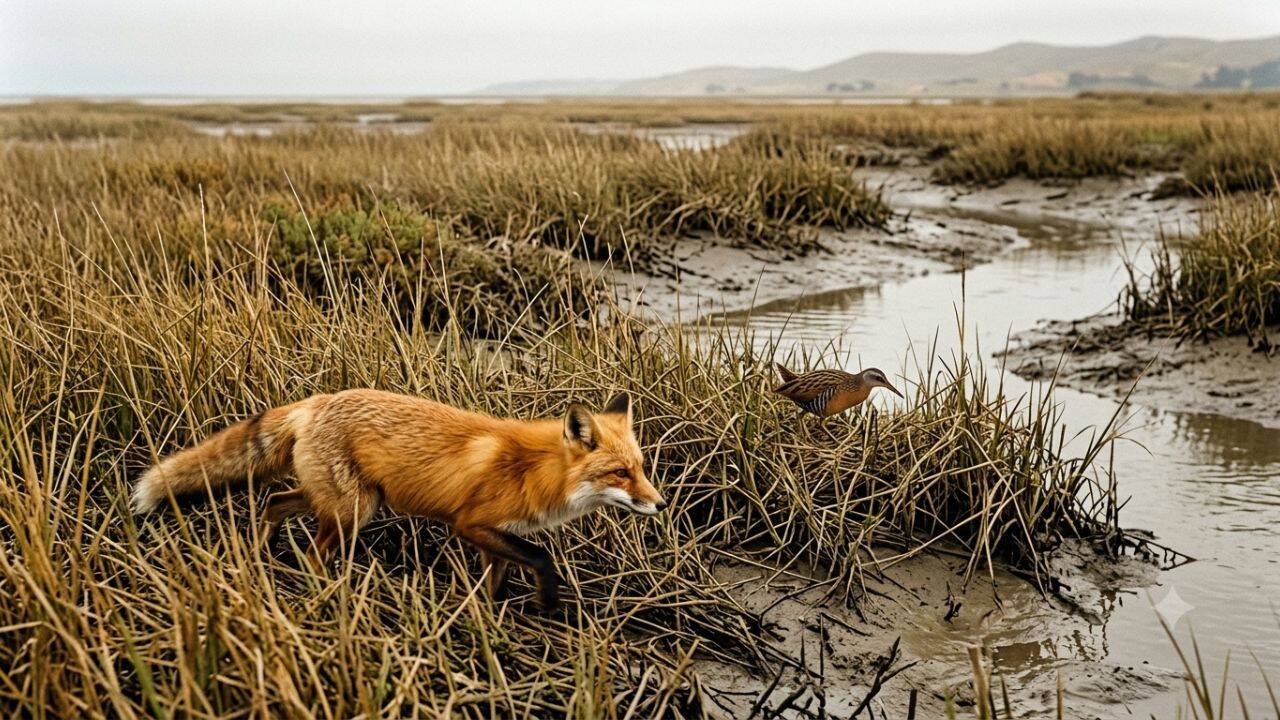
The introduction of red foxes to California in the nineteenth century set off an ecological chain reaction that devastated native wildlife populations, particularly threatening the Ridgway's rail, a small bird species found nowhere else in the world. The predatory foxes, which thrived in the state's wetland habitats, hunted the ground-nesting birds with devastating efficiency, causing populations to plummet toward extinction.
The rail's decline accelerated as habitat loss from urban development and agricultural expansion compounded the pressure from predation. By the modern era, only a handful of populations remained in isolated pockets along the California coast and inland marshes, making the species one of North America's most endangered birds.
Conservationists have responded with intensive management programs including predator control, habitat restoration, and captive breeding initiatives aimed at bolstering wild populations. These efforts represent a long-term commitment to reversing the damage caused by the accidental introduction of a non-native species more than a century ago.
The Ridgway's rail case illustrates the profound and often irreversible ecological consequences of introducing non-native species into established ecosystems. Experts point to the situation as a cautionary example of how human actions, even unintentional ones, can threaten species with extinction and underscore the importance of early detection and prevention of invasive species.