World · Malaysia Bureau
How Kim Il-sung's Christian roots shaped North Korea's enduring cult of personality
North Korea's founding leader drew on religious principles from his Christian upbringing to construct a personality cult that has persisted for over 80 years. The fusion of theological concepts with political ideology created a system of reverence that continues to define the isolated nation.
LSN Malaysia ·
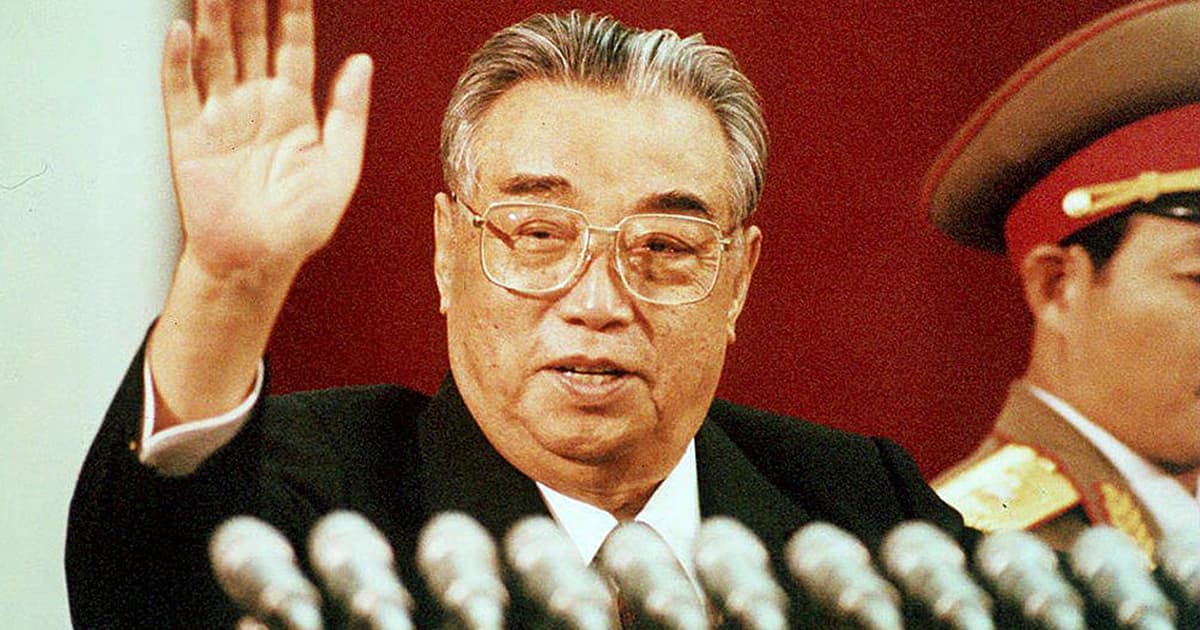
Kim Il-sung, who established North Korea in 1948, employed religious frameworks from his early Christian exposure to build and maintain an unprecedented personality cult centred on himself and his descendants. Rather than abandoning religious concepts, the founding leader adapted spiritual language and hierarchical structures to serve political purposes, creating a quasi-religious system that elevated him to near-divine status.
The personality cult that emerged from this synthesis has proven remarkably durable, surviving Kim Il-sung's death in 1994 and transitioning through subsequent generations of leadership. The system incorporates ritualistic elements, mandatory veneration, and a comprehensive mythology surrounding the founding leader that bears similarities to religious devotion.
Scholars have noted that Kim Il-sung's formative years exposed him to Christian teachings, particularly regarding moral authority and the role of a central figure in guiding followers. These concepts were repurposed within a totalitarian framework, enabling the consolidation of power and the creation of loyalty mechanisms that transcended typical political allegiance.
The endurance of North Korea's personality cult, now in its ninth decade, demonstrates how religious and spiritual concepts can be weaponized within political systems. The system has weathered significant economic hardship and international isolation, remaining a defining characteristic of the nation's governance structure and ideological apparatus.