World · India Bureau
How modern air purifiers work to combat indoor air pollution
As indoor air quality becomes a growing health concern across India, understanding how air purification systems function can help consumers make informed choices. Most commercial air purifiers employ layered filtration technology designed to capture different types of pollutants.
LSN India ·
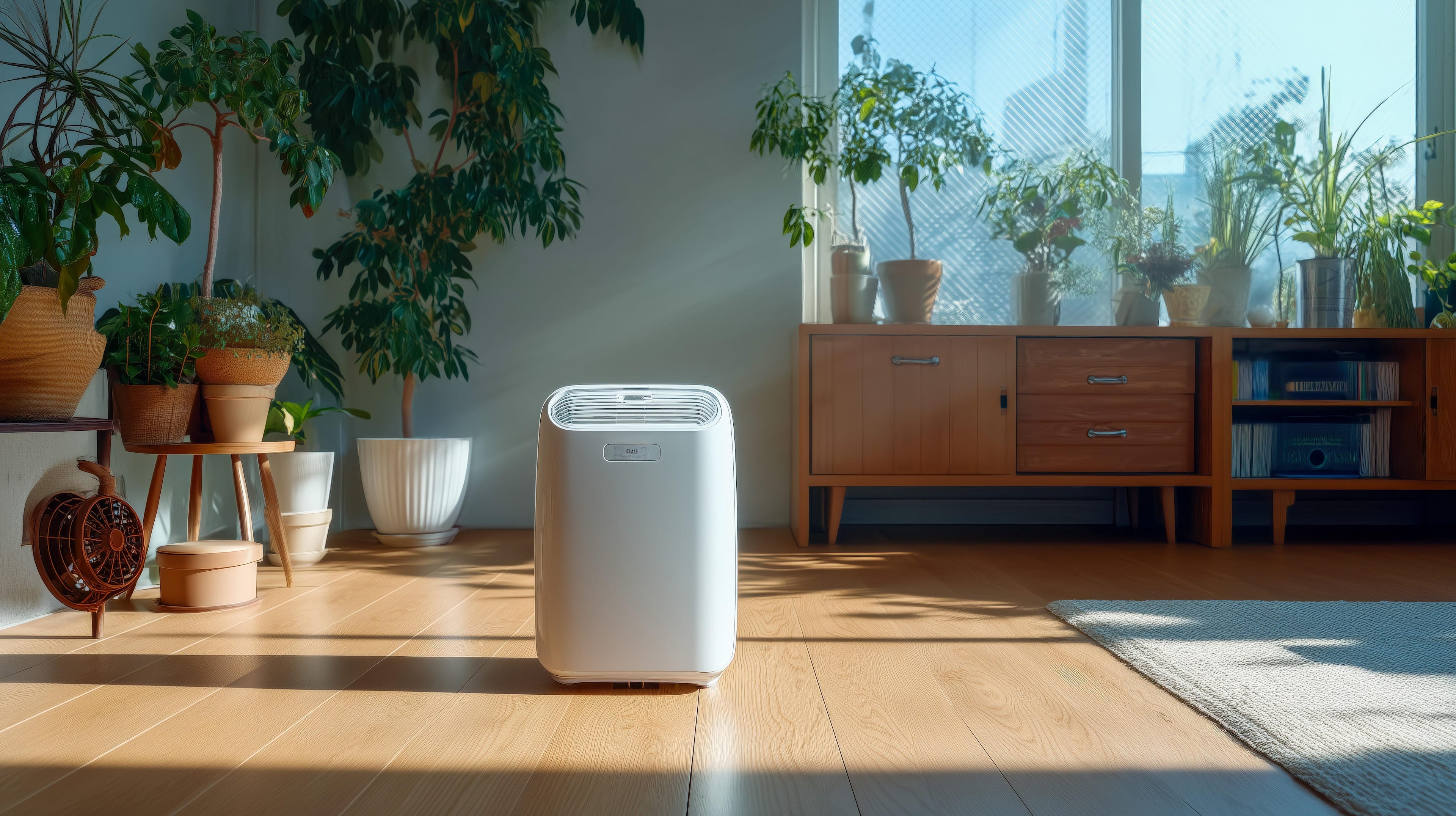
Air purification has emerged as a critical tool in combating indoor air pollution, particularly in metropolitan areas where outdoor air quality often seeps into homes and offices. The technology behind these devices relies on a systematic approach to removing contaminants from the air we breathe indoors.
Conventional air purifiers typically operate using a multi-stage filtration system, with each layer targeting specific pollutants. The initial stages generally capture larger particles such as dust, pet hair, and other visible debris. These preliminary filters protect the more sophisticated components downstream while handling the bulk of airborne matter.
The core of most modern air purifiers involves High-Efficiency Particulate Air (HEPA) filters or equivalent technology, which are engineered to trap fine particulate matter including PM10 and PM2.5—particles small enough to penetrate deep into the lungs. These microscopic pollutants, commonly found in Indian cities due to vehicular emissions, construction dust, and seasonal factors, pose significant health risks if inhaled regularly.
Beyond mechanical filtration, many advanced purifiers incorporate activated carbon filters designed to absorb gaseous pollutants and odours. Some models also feature additional technologies such as ionizers or UV light systems to neutralize biological contaminants. The effectiveness of any purifier depends on proper maintenance, including regular filter replacement, and selecting a unit appropriately sized for the room's volume and air changes per hour.
As air quality concerns persist across urban and semi-urban India, investing in a reliable air purification system has become part of household health management for many families seeking to maintain cleaner indoor environments year-round.