Culture & Entertainment · India Bureau
How New Zealand's pest control birds became the real problem
New Zealand's 1867 experiment to introduce European house sparrows for agricultural pest control backfired spectacularly, turning the birds into a widespread agricultural menace within 15 years.
LSN India ·
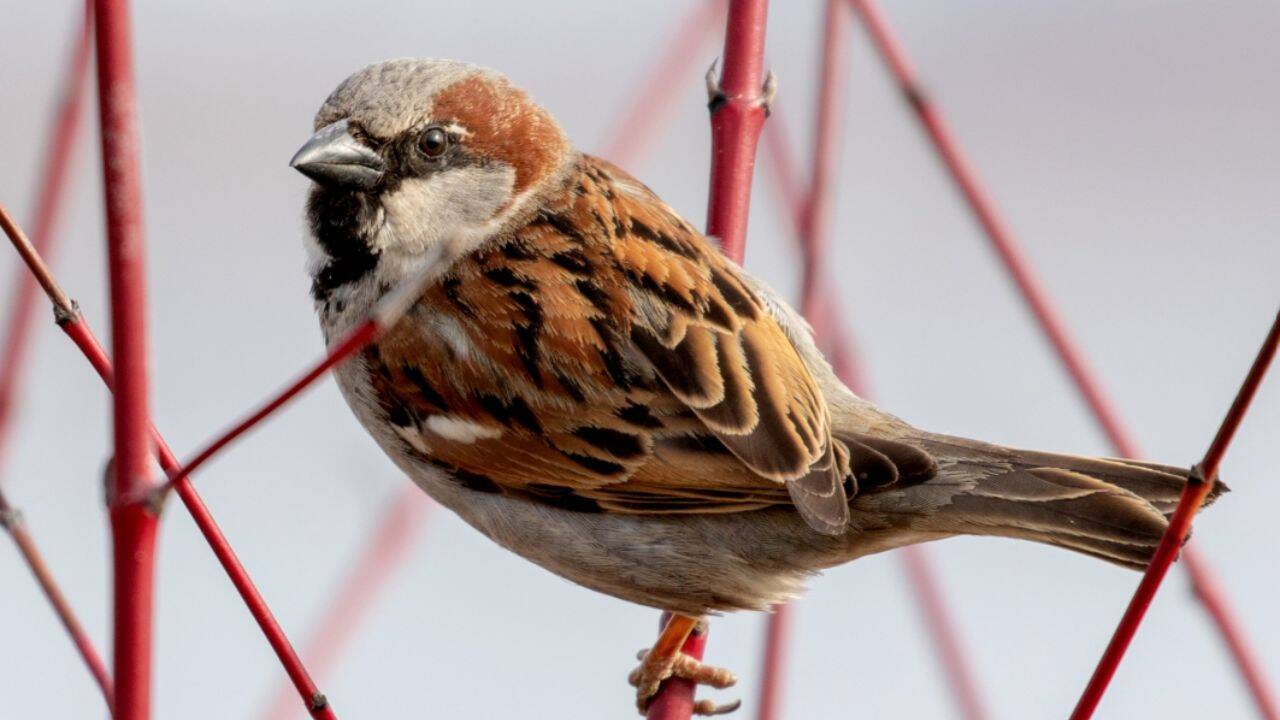
New Zealand authorities released 40 house sparrows in Canterbury in 1867 with a specific agricultural goal: to control crop-eating insects that were damaging farmland. The initiative reflected a broader European trend of transplanting familiar bird species to colonial territories, driven by both practical farming concerns and sentimental attachment to the fauna of the homeland.
The sparrow population, however, expanded far more rapidly than anticipated. Within a decade and a half, the birds had transformed from helpful allies into agricultural adversaries. Rather than confining themselves to consuming insects, the sparrows developed a taste for grains and fruit, causing significant damage to wheat, barley and maize crops across the region.
Confronted with this unintended consequence, New Zealand farmers and authorities launched increasingly aggressive control measures. Poisoned grain became a weapon of choice, while organised shooting campaigns targeted the birds en masse. Desperate to reverse the population growth, officials even introduced bounty systems, paying citizens for sparrow eggs and heads.
The Canterbury sparrows episode exemplified the ecological risks inherent in species introduction programmes. What began as a solution to one agricultural problem had created another, illustrating how introduced species could rapidly upset the balance of local ecosystems. The failed experiment became a cautionary tale about the unintended consequences of importing European fauna to distant lands.