Politics · India Bureau
How Rockefeller's secret land purchases shaped American conservation
In 1927, American industrialist John D. Rockefeller Jr. orchestrated a clandestine acquisition of over 35,000 acres in Wyoming's Jackson Hole valley through a shell company, ultimately donating the vast holdings to create one of the nation's most iconic national parks.
LSN India ·
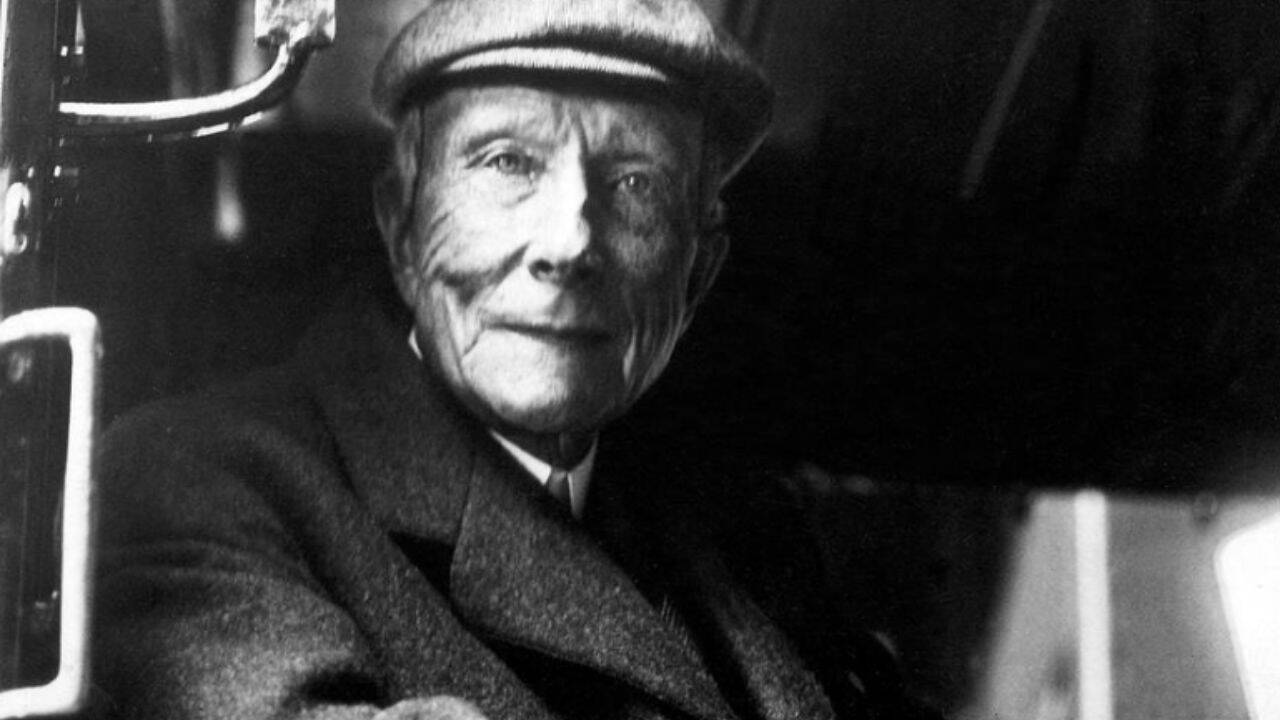
One of history's most significant conservation efforts began with secrecy and subterfuge. Rockefeller, one of America's wealthiest industrialists, recognized the ecological and scenic value of Jackson Hole in Wyoming but faced a challenge: locals were unlikely to sell their land to the famous billionaire at reasonable prices. To circumvent this obstacle, Rockefeller established the Snake River Land Company as a front organization, concealing his involvement while systematically acquiring properties across the region.
Between 1927 and the early 1930s, the shell company quietly purchased approximately 35,000 acres for $1.4 million. The strategy proved effective, allowing Rockefeller to assemble one of the largest private land holdings in the region without triggering speculation or inflating prices among property owners who might have recognized his name and demands.
The acquisition represented far more than a real estate transaction. Once Rockefeller had consolidated control of the land, he donated his holdings to the United States government. This generous gift provided the foundation for the establishment of Grand Teton National Park, preserving thousands of acres of pristine wilderness and iconic mountain scenery for public enjoyment and scientific study.
The Jackson Hole project exemplified Rockefeller's approach to large-scale philanthropy in the conservation sphere. By using intermediaries and operating outside the public eye, he achieved preservation goals that might otherwise have been impossible due to competing economic interests and local resistance to land sales.