World · India Bureau
How RSS emerged as major force in India's independence struggle
The Rashtriya Swayamsevak Sangh, founded during India's struggle against British rule, sought to reshape the nation through Hindu cultural and religious nationalism. The organization's ideology and organizational model would leave a lasting imprint on India's political landscape.
LSN India ·
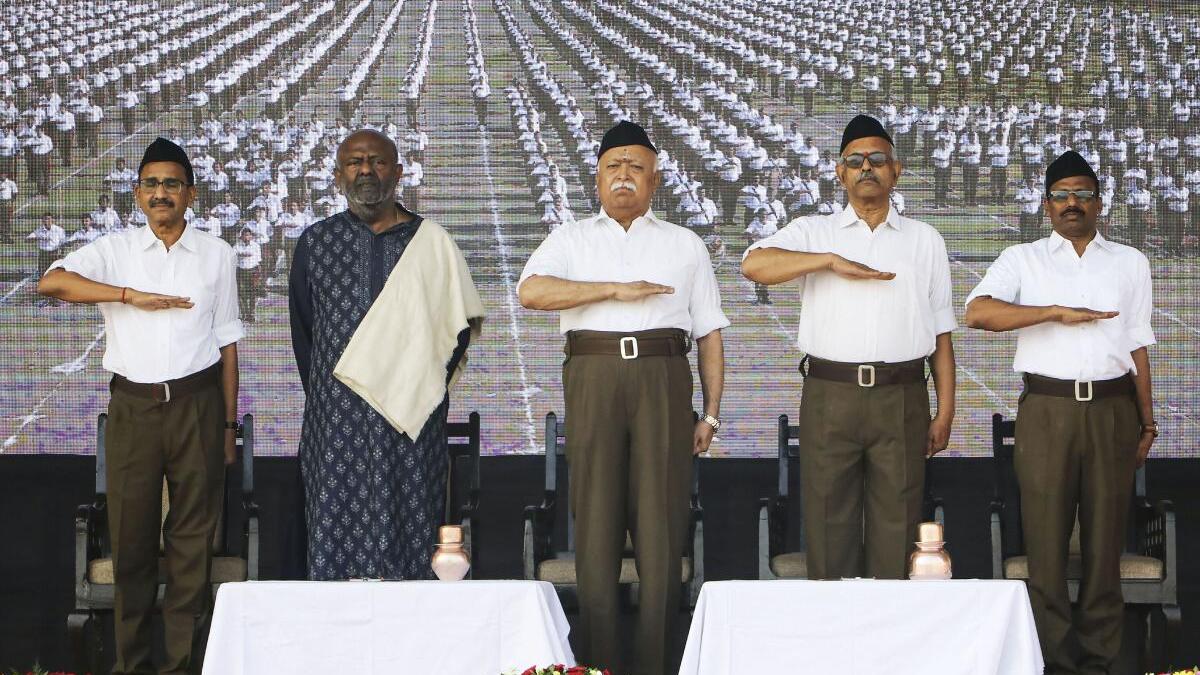
The Rashtriya Swayamsevak Sangh (RSS) was established in 1925 as India navigated the final decades of colonial rule. Founded with the explicit goal of creating a 'Hindu nation,' the organization positioned itself as an alternative vision for independent India, distinct from the secular nationalism championed by the Indian National Congress.
The RSS built its influence through systematic grassroots organizing and cultural programs aimed at promoting Hindu religious and cultural revival. The group advocated for a nationalist identity anchored in Hindu traditions and values, arguing that cultural rejuvenation should precede or accompany India's political independence from Britain.
During the independence movement and in the immediate post-independence period, the RSS developed a sophisticated organizational structure that enabled rapid expansion across regions. Its cadre-based model and emphasis on ideological training created a disciplined membership base distinct from other nationalist organizations operating during the same era.
By 1966, the RSS had established itself as a significant ideological and organizational force in Indian politics and society. Its approach to nationalism—centered on religious and cultural identity—offered a competing vision to secular frameworks that would dominate India's early decades as an independent nation.