World · India Bureau
How to become a Zomato delivery partner: earnings, requirements explained
India's growing gig economy has made food delivery a popular income option for young professionals seeking flexible work and supplementary earnings. Here's what aspiring delivery partners need to know about joining Zomato's platform.
LSN India ·
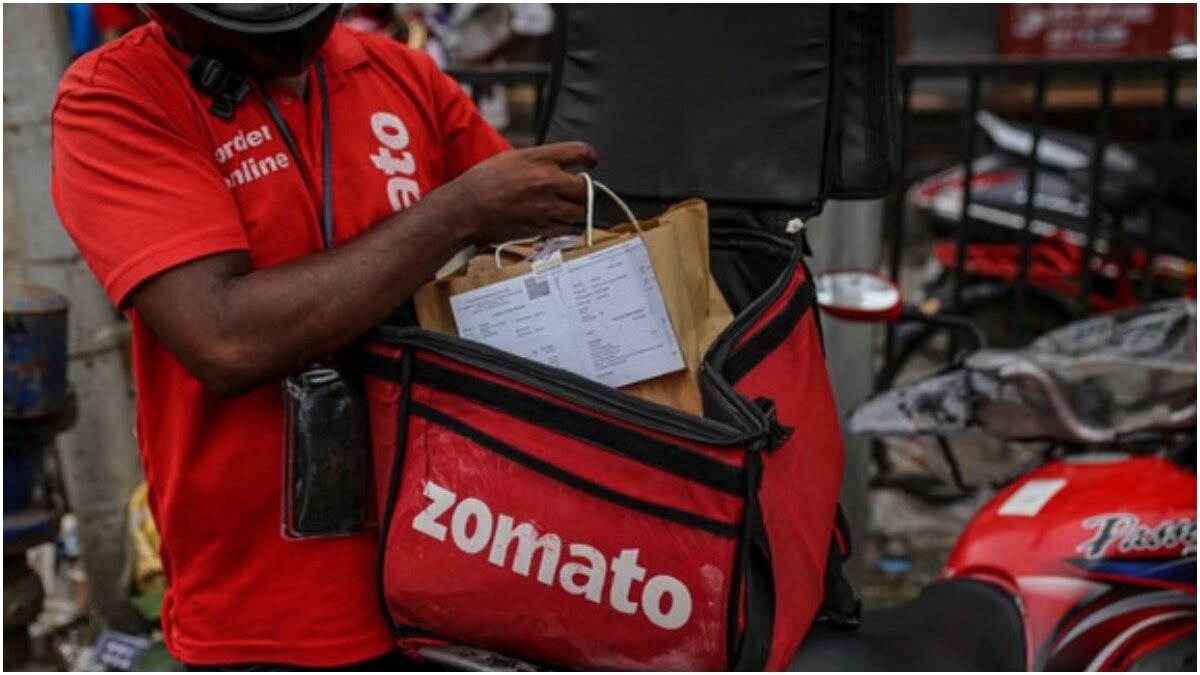
Young Indians increasingly seek flexible employment opportunities that provide income beyond traditional salaried positions. Part-time roles and freelance work have become commonplace, with food delivery emerging as a significant option for those looking to earn extra money alongside their primary employment.
Zomato, one of India's leading food delivery platforms, offers opportunities for individuals to work as independent delivery partners. The process involves meeting specific eligibility criteria and completing an application procedure. Prospective delivery partners typically need to possess a valid form of identification, proof of address, and a reliable mode of transportation—either a two-wheeler, three-wheeler, or personal vehicle.
Unlike some employment models, becoming a Zomato delivery partner generally does not require upfront payment or registration fees. The platform operates on a commission-based model where partners retain earnings from completed deliveries. However, partners may need to invest in their own vehicle and maintenance costs. Earnings vary based on factors including location, delivery frequency, customer ratings, and operational efficiency. Established partners in metropolitan areas typically earn between Rs. 1,500 to Rs. 2,500 daily, though actual income fluctuates based on demand and individual performance.
Once approved, delivery partners gain access to the Zomato app, which provides real-time order assignments and navigation assistance. Partners maintain flexibility in selecting their working hours and delivery volume, making it an accessible option for students, homemakers, and those seeking supplementary income alongside existing employment. The platform's growth reflects broader shifts in India's labor market toward gig-based work arrangements.