World · Singapore Bureau
How to distinguish between oversight and micromanagement at work
Employees often struggle to determine whether their manager's frequent check-ins represent legitimate supervision or problematic micromanagement. Understanding the distinction can help workers assess their workplace dynamics and take appropriate action.
LSN Singapore ·
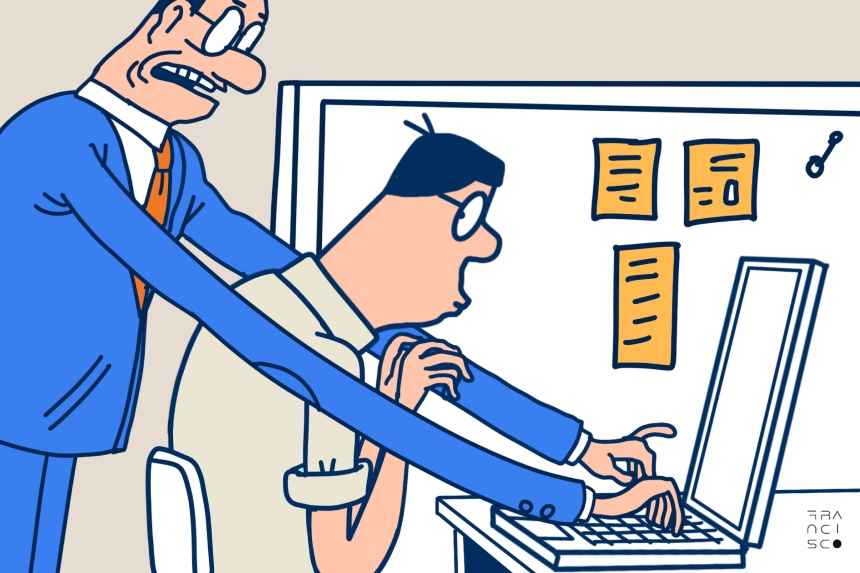
The line between attentive management and micromanagement can blur in today's work environment, leaving many employees uncertain about whether their supervisor's oversight crosses into counterproductive territory. Frequent communications, regular status updates, and close monitoring of work activities are standard in many organisations, but excessive scrutiny can undermine employee autonomy and morale.
Managers typically check in with their teams to ensure projects stay on track, clarify expectations, and provide support when needed. These interactions become problematic when supervisors excessively control how work is completed, demand constant updates on minor tasks, or fail to delegate meaningful responsibilities. The distinction often hinges on whether oversight serves the organisation's goals or primarily reflects a manager's lack of trust in their team's capabilities.
Employees experiencing micromanagement often report reduced job satisfaction, lower productivity, and higher stress levels. Signs include being required to seek approval for routine decisions, receiving unsolicited corrections on work processes, or having little input into how tasks are structured. Such management styles can create a culture of dependency rather than fostering professional growth and independent problem-solving.
Workers concerned about micromanagement should consider documenting patterns of excessive oversight and, if appropriate, seeking a candid conversation with their manager about expectations and autonomy. In some cases, involving human resources may be necessary. Simultaneously, employees can focus on delivering consistent results and clear communication to build trust with their supervisors over time.