World · India Bureau
How to identify and fix water tank leakage issues at home
Water pooling beneath rooftop tanks or dampness on walls signals potential leakage problems. Identifying the source—whether cracks, loose pipe connections, or algae buildup—is the first step toward effective repairs.
LSN India ·
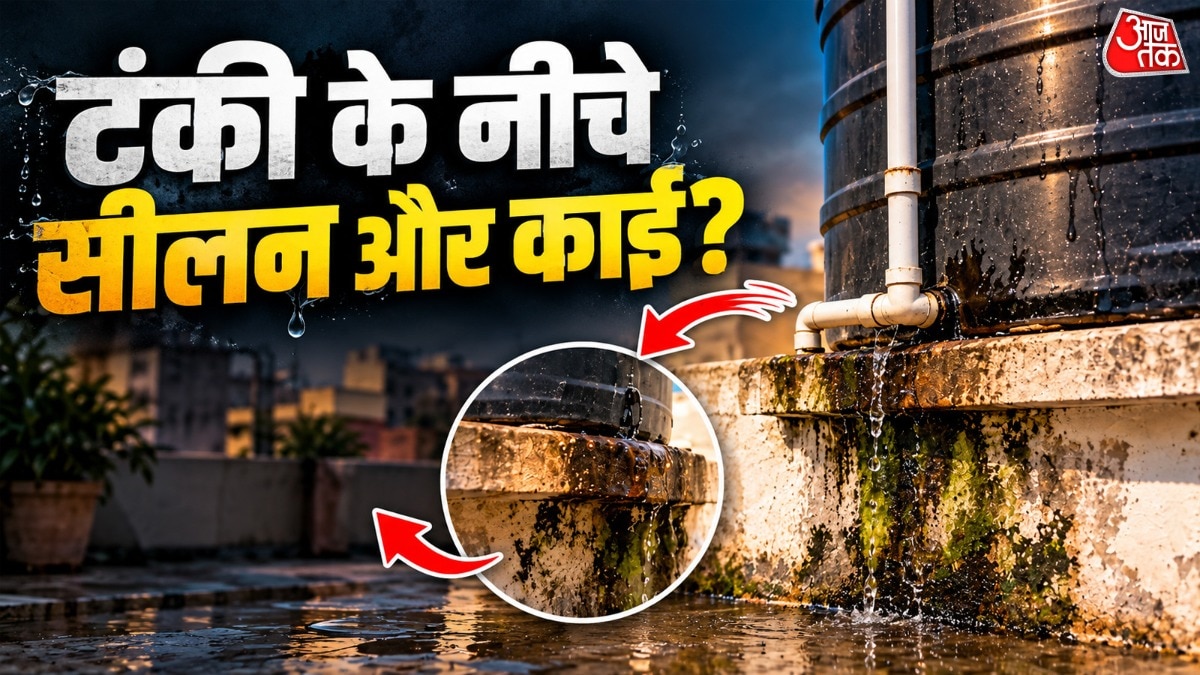
Homeowners across India frequently encounter water tank leakage, a common household problem that can lead to structural damage if left unaddressed. Water accumulating beneath tanks or persistent wall dampness typically indicates issues with the tank base or connecting pipes that require prompt attention.
Leakage in water storage tanks can stem from several causes. Hairline cracks in concrete tanks develop over time due to age and weathering, while plastic tanks may develop fractures from physical stress or UV exposure. Loose pipe connections at the tank base represent another frequent culprit, as do corroded or improperly sealed joints. Algae growth and sediment buildup, though less serious, can obstruct drainage and create the appearance of leakage.
Detecting the source of leakage requires systematic inspection. Check the tank exterior for visible cracks or wet patches, examine all pipe connections for tightness, and inspect the tank base where it meets the supporting structure. For concrete tanks, apply water to suspected areas and observe if seepage occurs on the opposite side. Mark wet patches on walls beneath the tank to track the leak's location and severity.
Repair methods depend on the tank material and damage extent. Concrete tanks with minor cracks can be sealed using waterproof sealants or epoxy fillers, while larger cracks may require professional patching with cement-based compounds. Plastic tanks with small cracks can be temporarily sealed with specialized plastic repair kits, though replacement may be necessary for extensive damage. Loose pipe connections should be tightened or resealed with plumber's tape and appropriate fittings.
Prevention measures include regular tank inspections, ensuring proper drainage around the tank base, and protecting tanks from direct sunlight. Homeowners should also maintain records of tank age and installation date, as tanks typically require replacement every 10-15 years depending on material and water quality. Professional plumber consultation is recommended for complex leaks or when temporary fixes prove ineffective.