World · India Bureau
How to safely handle LPG cylinder fires: Expert safety protocol
With household cooking gas accidents a persistent hazard across India, fire safety experts outline critical steps to take when LPG cylinders, pipes or stoves catch fire. Understanding proper response procedures and common mistakes can mean the difference between containment and catastrophe.
LSN India ·
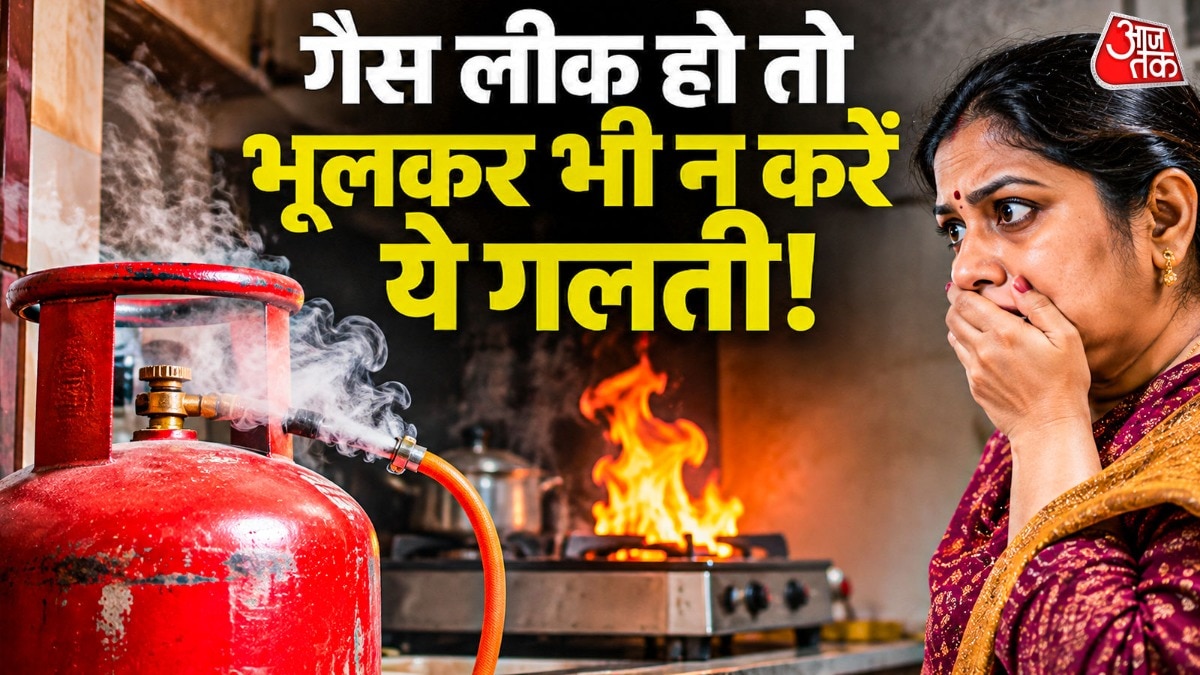
Fires involving liquefied petroleum gas require a fundamentally different response than conventional domestic fires, according to safety guidelines circulated among Indian households. When an LPG cylinder, connecting pipe or cooking stove catches fire, the instinctive reaction to douse flames with water can prove dangerously counterproductive and escalate the emergency.
The correct protocol when discovering a gas-related fire is to immediately shut off the regulator valve supplying fuel to the affected appliance or cylinder. This action cuts the fuel supply and allows existing flames to diminish naturally. Simultaneously, occupants should evacuate the premises and move to a safe distance before attempting any further action. Only after ensuring the immediate area is cleared should attempts be made to extinguish residual flames using appropriate fire suppression equipment if available.
Common mistakes that compound LPG fire emergencies include throwing water on burning cylinders or pipes—a practice that can cause the cylinder to rupture and scatter burning liquid across a wider area—and attempting to relocate an actively burning cylinder indoors. These missteps transform localized incidents into uncontrollable conflagrations.
In the event of LPG leakage without fire, residents should immediately ventilate all enclosed spaces, avoid creating sparks or flames, and vacate the building. Local fire departments and gas supplier emergency helplines should be contacted without delay. Most gas distribution companies maintain 24-hour helplines, numbers typically printed on cylinder documentation and consumer service materials, to dispatch trained technicians and fire responders to households reporting gas emergencies.