World · India Bureau
How to verify your vehicle meets BS-VI emission standards
India's stringent BS-VI emission norms came into effect nationwide in April 2020, requiring all new vehicles to meet tighter pollution controls. Here's how vehicle owners can confirm their cars comply with these standards.
LSN India ·
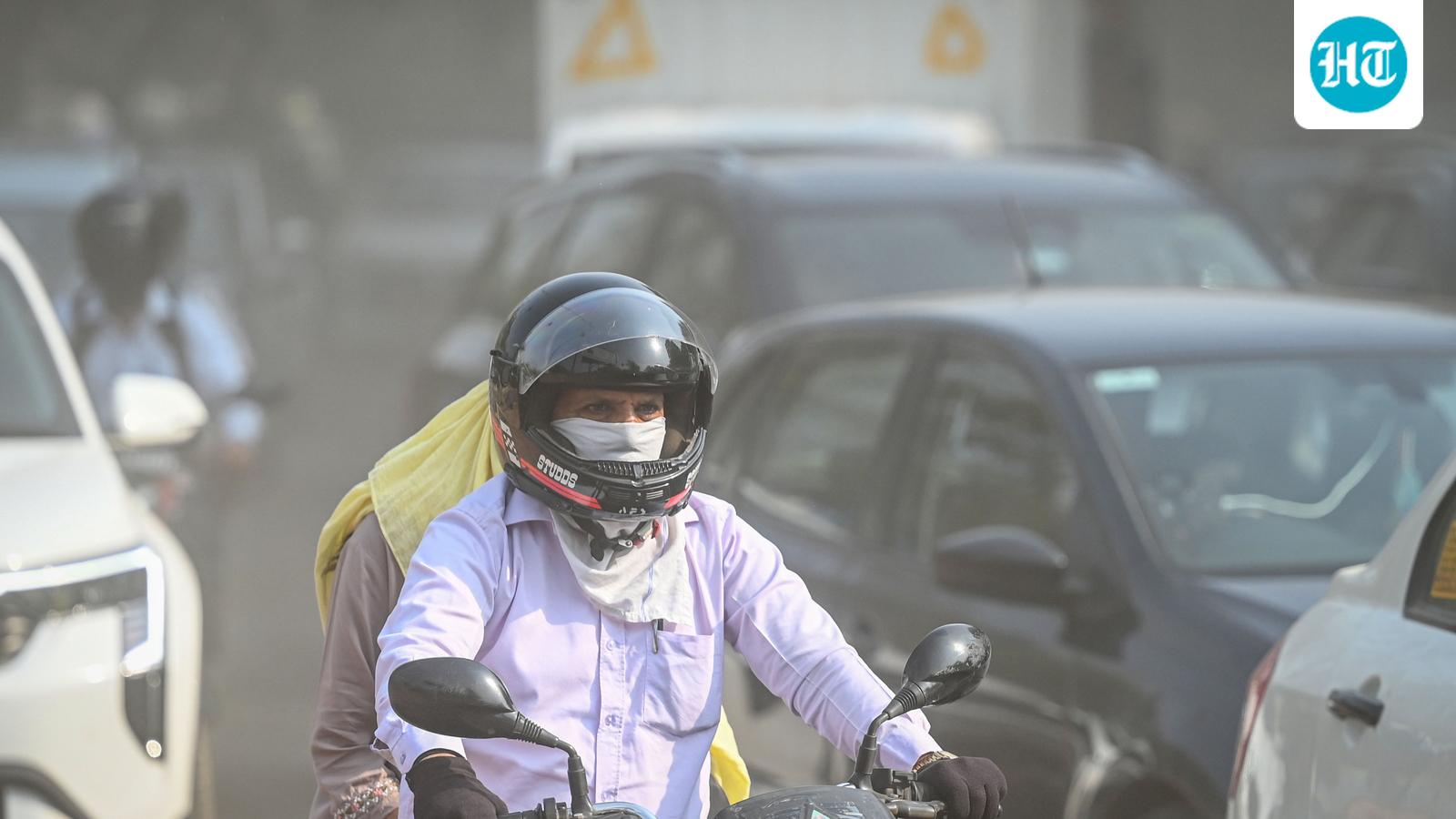
The Bharat Stage (BS) emission standards represent India's framework for regulating air pollutants released by automobiles. Developed on the model of European emission norms, these standards have grown progressively stricter to address the country's air quality challenges. BS-VI, the sixth iteration, represents a significant leap forward in environmental compliance.
Vehicles manufactured after April 1, 2020, are required to meet BS-VI specifications. To verify compliance, owners should first check their vehicle's registration certificate and purchase documentation. The RC book will clearly indicate which emission standard the vehicle adheres to, typically mentioned alongside the vehicle's specifications and engine details.
Alternatively, the original sales invoice and manufacturer documentation will contain emission standard information. Many dealerships provide a separate certificate of compliance at the time of purchase. These documents explicitly state whether the vehicle is BS-VI certified or meets an earlier standard.
Vehicle owners can also contact their vehicle's manufacturer directly with their registration number or chassis number to obtain confirmation. The Saksham portal, an online government database, allows citizens to check vehicle details including emission compliance status using the vehicle registration number and engine number.
For those purchasing pre-owned vehicles, verification becomes crucial. Requesting the complete documentation from the seller and cross-referencing with the RC book ensures the vehicle genuinely meets BS-VI standards before purchase. This verification protects buyers from acquiring non-compliant vehicles that may face operational restrictions or penalties in certain regions.